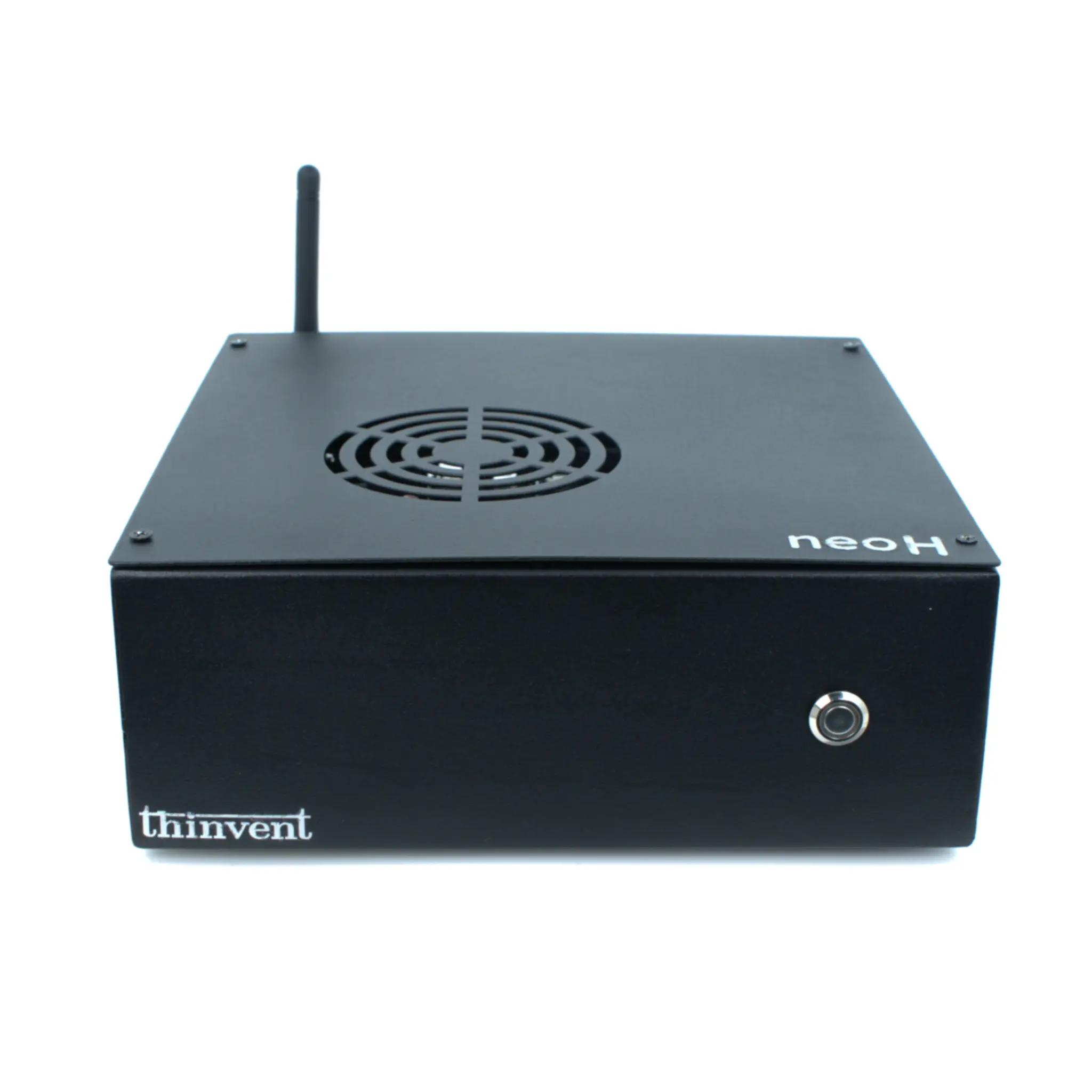
What is a General-Use Computer?
A general-use computer is a versatile computing device designed for common daily tasks such as web browsing, office productivity, media consumption, and light content creation. Unlike specialized workstations or servers, these systems prioritize reliability, energy efficiency, and a compact form factor, making them ideal for home offices, educational settings, and business environments where space and power consumption are considerations.
Key Specifications for Everyday Computing
For effective general use, a computer should balance performance with efficiency. Key specifications include a modern multi-core processor (such as an Intel N-series CPU), sufficient RAM (8GB to 16GB), and fast SSD storage (128GB to 512GB). A fanless, compact design ensures silent operation and durability, while standard connectivity options like Gigabit Ethernet, multiple USB ports, and HDMI outputs provide flexibility for peripherals and displays. These specs deliver smooth performance for applications like Microsoft Office, web browsers, video conferencing, and streaming services.
Ideal Applications and Use Cases
These computers are perfectly suited for a wide range of applications. In business, they serve as efficient workstations for administrative tasks, point-of-sale systems, or digital signage controllers. In education, they are reliable machines for computer labs and library kiosks. For home users, they function as compact media centers, home office PCs, or secondary computers. Their robust, fanless construction also makes them suitable for light industrial or retail environments where dust and noise are concerns.
Choosing the Right Configuration
Selecting the right configuration depends on your specific needs. For basic tasks like document editing and web browsing, a system with 8GB RAM and a 128GB SSD is sufficient. For multitasking with several applications or browser tabs open, 16GB of RAM is recommended. The choice of operating system—Windows, Linux, or a lightweight embedded OS—depends on software compatibility and user preference. The table below outlines typical configurations for different usage levels:
| Use Case | Recommended RAM | Recommended Storage | Processor Series | Ideal For |
|---|---|---|---|---|
| Basic Tasks & Web Browsing | 8 GB | 128 GB SSD | Intel N-series | Email, documents, light browsing |
| Multitasking & Office Work | 16 GB | 256 GB SSD | Intel N-series / i3 | Multiple apps, spreadsheets, video calls |
| Media & Light Content | 16 GB | 512 GB SSD | Intel i3 / i5 | Photo editing, 4K streaming, light gaming |
Thinvent Solutions for General Computing
Thinvent offers a range of industrial-grade mini PCs that excel as reliable, general-use computers. Our Aero Mini PC series, for example, features the efficient Intel N100 processor, fanless cooling for silent operation, and robust connectivity in a compact chassis. Built for 24/7 reliability, these systems come with various memory, storage, and operating system options to match any requirement, from a simple kiosk to a productive home office workstation. Explore Thinvent's portfolio to find a durable, high-performance computer tailored for your everyday computing needs.