What Is a User Friendly Thin Client?
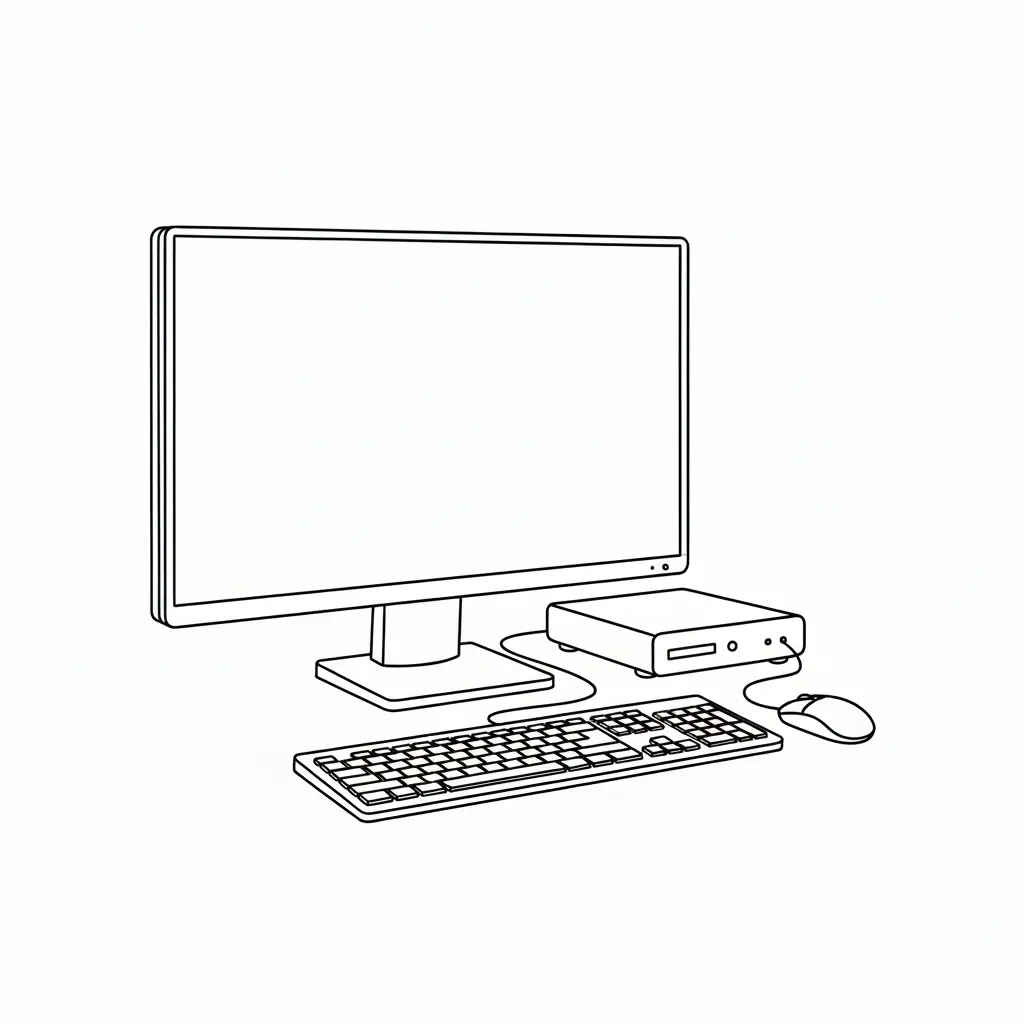
A thin client is a small computer that runs its applications and operating system from a server or a local flash drive, not from a large internal hard disk. A user-friendly thin client starts quickly, uses a familiar desktop, and needs little setup. Thinvent has thin clients with two processor families: ARM Cortex A53 and Intel Celeron J1900. The right choice depends on the software, the number of users, and the storage needed.
Key Specifications
The Thinvent range covers two configurations:
-
Thinvent Micro 5R: ARM Cortex A53 processor with 4 cores, up to 2.0 GHz, 2 GB RAM, 16 GB eMMC storage, one HDMI 2.0 output, one speaker output, and WiFi 6 with Bluetooth. It runs Thinux Embedded Linux.
-
Thinvent Neo S: Intel Celeron J1900 processor (7th generation) with 4 cores, up to 2.4 GHz, and 2 MB cache. Memory options are 4 GB or 8 GB DDR3. Storage options include 32 GB MLC SSD (dual 32 GB in some models), 128 GB SSD, and 256 GB SSD. The Neo S models have no WiFi.
Operating System Options
Thinvent thin clients are sold with different operating systems. The Micro 5R runs Thinux Embedded Linux. The Neo S is offered with Ubuntu Linux, Windows 11 Pro, DOS, Thinux Embedded Linux, or without an operating system, so buyers can install their own.
Comparison of Models
| Model | Processor | Cores | Max Frequency | RAM | Storage | WiFi |
|---|---|---|---|---|---|---|
| Micro 5R | ARM Cortex A53 | 4 | 2.0 GHz | 2 GB | 16 GB eMMC | Yes |
| Neo S | Intel Celeron J1900 | 4 | 2.4 GHz | 4 or 8 GB DDR3 | 32 GB, 128 GB or 256 GB SSD | No |
Use Cases
User-friendly thin clients suit front desks, kiosks, point-of-sale terminals, classrooms, and office workstations that run web, browser, or remote desktop applications. The Neo S with Windows 11 Pro suits users who need a Windows environment, while the Micro 5R suits low-power, Linux-based deployments.
Thinvent Thin Clients
Thinvent manufactures the Micro 5R and Neo S thin clients described above. Each model is available in the configurations listed, so buyers can match processor, memory, storage, and operating system to their workload.