A vertical monitor setup uses a display rotated 90 degrees into a portrait orientation. This configuration is not a specific type of computer but a display arrangement that requires a compatible computing solution. The primary technical requirement for a vertical monitor is a graphics output that supports screen rotation, which is a standard feature in modern operating systems like Windows and Linux. The ideal computer for such a setup should provide stable, reliable video output and sufficient processing power for the intended tasks, all while fitting into space-constrained environments often associated with vertical displays.
Key Specifications and Compatibility
For a seamless vertical monitor experience, the computing hardware must meet certain criteria. A reliable video output via HDMI or DisplayPort is essential, as these interfaces carry the digital signal required for high-resolution portrait displays. The computer should support the operating system's native screen rotation features. While basic tasks like document viewing or coding require minimal resources, more demanding applications like vertical digital signage or data visualization benefit from robust specifications. Key components to consider include:
-
Processor: Efficient multi-core CPUs (e.g., Intel N-series, i3, i5) for smooth performance.
-
Memory: Adequate RAM (8GB or more) to handle multiple windows and applications in the tall aspect ratio.
-
Storage: Fast SSD storage for quick boot times and application loading.
-
Form Factor: Compact designs like Mini PCs or All-in-Ones are ideal for mounting behind or near the vertical screen.
Primary Use Cases and Applications
Vertical monitors are deployed across various industries to enhance productivity and information display.
-
Coding & Development: Provides a longer view of code lines, reducing scrolling.
-
Document Review & Legal: Displays full-length documents, contracts, or web pages with less need to scroll.
-
Digital Signage (Portrait): Perfect for narrow spaces in retail, transportation hubs, or lobbies for advertising, wayfinding, or information boards.
-
Financial Trading & Data Monitoring: Allows for viewing long lists of stocks, data feeds, or dashboards.
-
Industrial Control Panels: Integrates into machinery or kiosks where a vertical screen layout is optimal for the user interface.
Comparison: Form Factors for Vertical Setups
| Form Factor | Best For Vertical Use When... | Key Advantage |
|---|---|---|
| Mini PC | Space is extremely limited; mounting behind the monitor is desired. | Ultra-compact, fanless options offer silent, vibration-free operation. |
| All-in-One PC | A clean, integrated setup with no separate computer box is needed. | Simplifies installation with built-in display, often featuring a native vertical stand. |
| Thin Client | The workload is hosted on a server or in the cloud. | Centralized management, lower power consumption, and consistent performance. |
| Industrial Panel PC | The environment is harsh (dust, moisture, vibration) and direct integration is required. | Ruggedized design, often with IP-rated front panels for durability. |
Thinvent Solutions for Vertical Monitor Setups
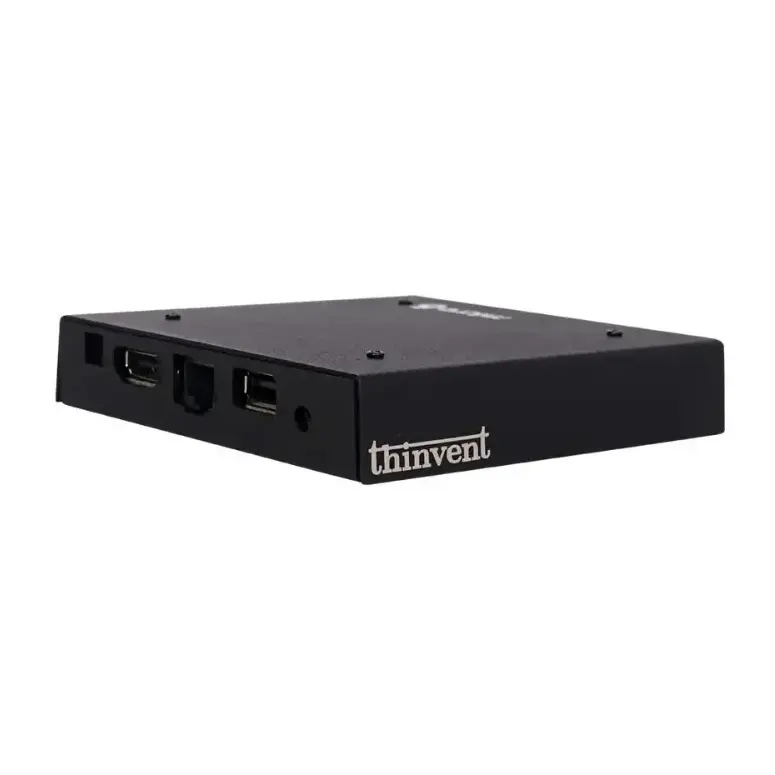
Thinvent's range of industrial computing solutions is engineered to power vertical monitor applications reliably. Our fanless Mini PCs, like the Aero series, are perfectly suited for silent operation behind a display, offering efficient Intel processors and multiple video outputs to drive portrait-oriented screens. For integrated solutions, our All-in-One PCs provide a complete system with a high-quality display that can easily be rotated into portrait mode. Built for 24/7 operation, Thinvent computers ensure your vertical setup remains stable, whether for professional office work, dynamic digital signage, or critical industrial monitoring. Explore our configurable options to find the perfect balance of performance, connectivity, and form factor for your specific vertical application.