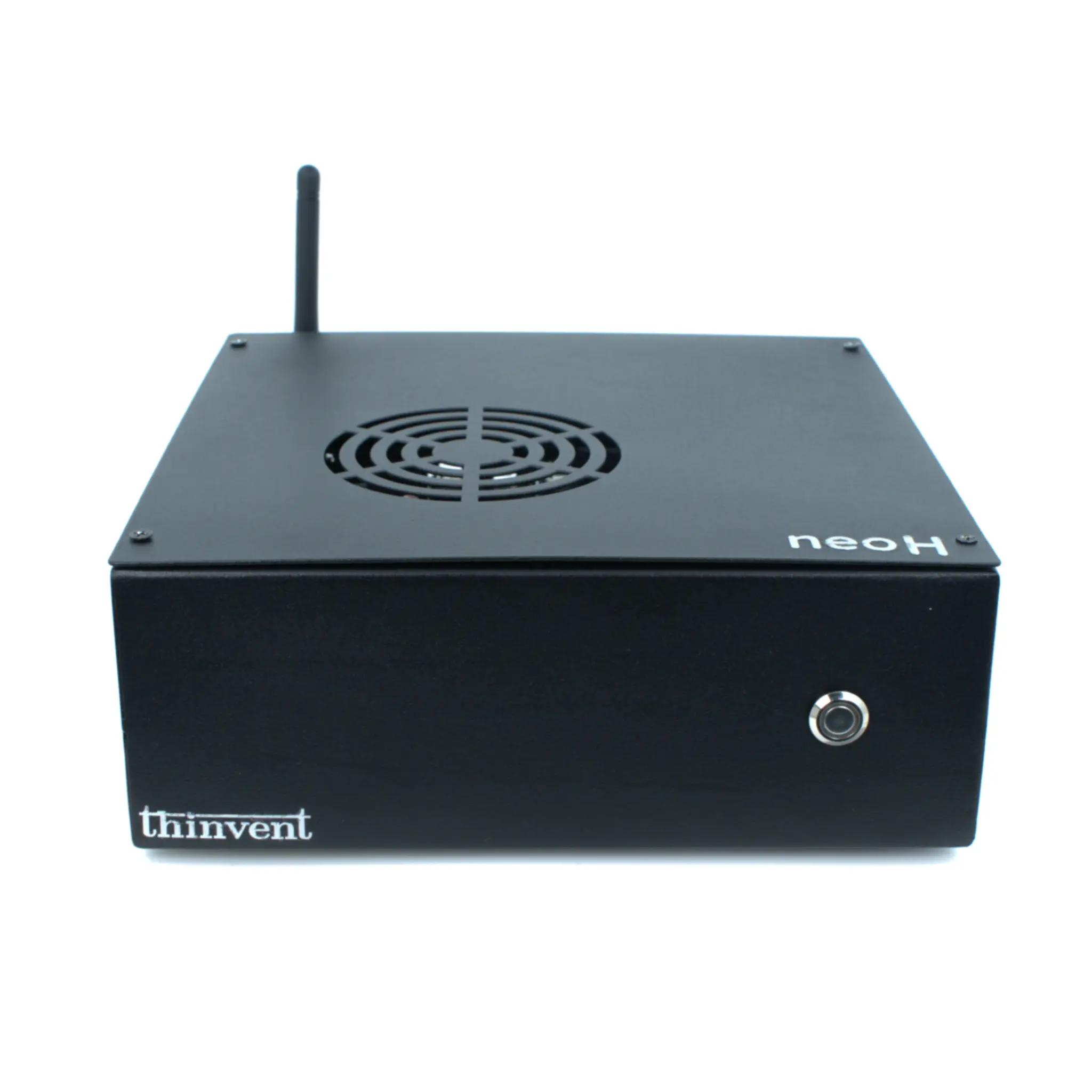
A workstation for 3D rendering is a specialized computer system engineered to handle the immense computational demands of creating photorealistic images, animations, and simulations. Unlike standard PCs, these workstations prioritize raw processing power, high-speed memory, and robust graphics capabilities to efficiently execute complex calculations for ray tracing, texture mapping, and geometry processing. The core components that define a rendering workstation are a multi-core, high-frequency CPU, a professional-grade or high-end consumer GPU with ample VRAM, substantial system RAM (typically 32GB or more), and fast NVMe SSD storage for handling large project files and asset libraries.
Key Specifications for 3D Rendering
For optimal performance in applications like Blender, Autodesk Maya, 3ds Max, Cinema 4D, and V-Ray, a rendering workstation should meet or exceed the following specifications:
-
Processor (CPU): A high-core-count CPU is crucial, especially for CPU-based rendering. Modern Intel Core i5, i7, or i9 processors from the 12th generation onward, or AMD Ryzen equivalents, are recommended. More cores directly translate to faster render times.
-
Graphics (GPU): A powerful dedicated GPU is essential for GPU-accelerated rendering (e.g., with OctaneRender, Redshift). Professional cards like NVIDIA RTX A-series or high-performance consumer cards like the GeForce RTX 40-series with large VRAM (8GB+) are ideal.
-
Memory (RAM): 32GB of DDR4 or DDR5 RAM is a practical starting point for complex scenes. 64GB or more is recommended for architectural visualization, film-quality animation, or simulation work.
-
Storage: A fast NVMe PCIe SSD (512GB or 1TB) for the operating system, applications, and active projects dramatically improves load times and workflow responsiveness. Secondary HDDs or larger SSDs are used for asset archives.
-
Cooling & Reliability: Sustained rendering sessions generate significant heat. A robust, often fanless or actively cooled, thermal solution is vital for maintaining performance and ensuring 24/7 system stability in industrial environments.
Applications and Use Cases
3D rendering workstations are indispensable across numerous professional fields:
-
Architectural Visualization (ArchViz): Creating realistic renders and walkthroughs of building designs.
-
Product Design & Manufacturing: Developing and visualizing prototypes, engineering simulations, and marketing materials.
-
Media & Entertainment: Producing visual effects (VFX), animated films, game assets, and television graphics.
-
Scientific Visualization: Rendering complex data sets, molecular models, and simulation results.
Thinvent Workstations for Demanding Rendering Tasks
While the sample products listed are compact, entry-level systems suitable for light computing, Thinvent's broader industrial computing portfolio includes robust solutions capable of supporting demanding 3D workflows. For professional 3D rendering, look for Thinvent systems configured with higher-tier components. Our industrial-grade workstations are built for reliability in challenging conditions, featuring fanless designs for silent operation and dust resistance, making them suitable for integration into design studios, factory floors, or digital signage networks where rendering power and durability are required.