What Are X86 Boards?
X86 boards are the core computing platforms built around the x86 microprocessor architecture, a dominant instruction set architecture (ISA) for CPUs. These boards serve as the foundation for a vast range of computing systems, from compact embedded devices to powerful industrial workstations. The x86 architecture is renowned for its high performance, extensive software compatibility, and robust ecosystem, making it the preferred choice for applications requiring reliable computing power and support for mainstream operating systems like Windows and Linux.
Key Specifications and Technical Details
X86 boards are characterized by their processor type, which dictates performance, power consumption, and thermal design. Key specifications to consider include:
-
Processor Brand and Series: Primarily Intel, with series ranging from efficient Celeron and N-series processors to high-performance Core i3, i5, and i7 models.
-
Processor Generation: Newer generations (e.g., 12th, 13th, 14th Gen) offer improved performance per watt, better integrated graphics, and enhanced security features.
-
Core Count: Ranges from 4 cores for basic tasks to 12 or more cores for demanding multi-threaded applications.
-
Memory and Storage: Support for DDR4/DDR5 RAM (typically 4GB to 64GB) and various SSD storage options (128GB to 1TB+) for fast data access.
-
I/O and Connectivity: Feature-rich boards include multiple USB ports (including USB 3.2 and Type-C), Gigabit Ethernet, HDMI/DisplayPort outputs, and expansion slots for added functionality.
Use Cases and Applications
The versatility of x86 boards makes them suitable for diverse industrial and commercial environments:
-
Digital Signage & Kiosks: Powering interactive displays and information terminals with reliable, always-on operation.
-
Industrial Automation: Serving as the brains for machine control, data acquisition (SCADA), and process monitoring in manufacturing.
-
Thin Clients & VDI: Providing secure, manageable endpoints for virtual desktop infrastructure in corporate and educational settings.
-
Edge Computing: Processing data locally in IoT gateways, retail POS systems, and smart city applications for reduced latency.
-
Embedded Systems: Integrated into medical devices, transportation systems, and telecommunications equipment where space and reliability are critical.
Comparison of Common X86 Processor Types
| Processor Series | Typical Cores | Use Case Focus | Power Profile |
|---|---|---|---|
| Intel N-Series (e.g., N100) | 4 | Fanless, low-power embedded systems, digital signage, basic computing. | Ultra-Low Power |
| Intel Celeron | 2-4 | Entry-level industrial PCs, cost-effective kiosks, simple control tasks. | Low Power |
| Intel Core i3 | 4-6 | Mainstream productivity, multi-display setups, advanced thin clients. | Balanced |
| Intel Core i5/i7 | 6-14 | High-performance workstations, data-intensive edge computing, complex automation. | High Performance |
Thinvent Products Featuring X86 Technology
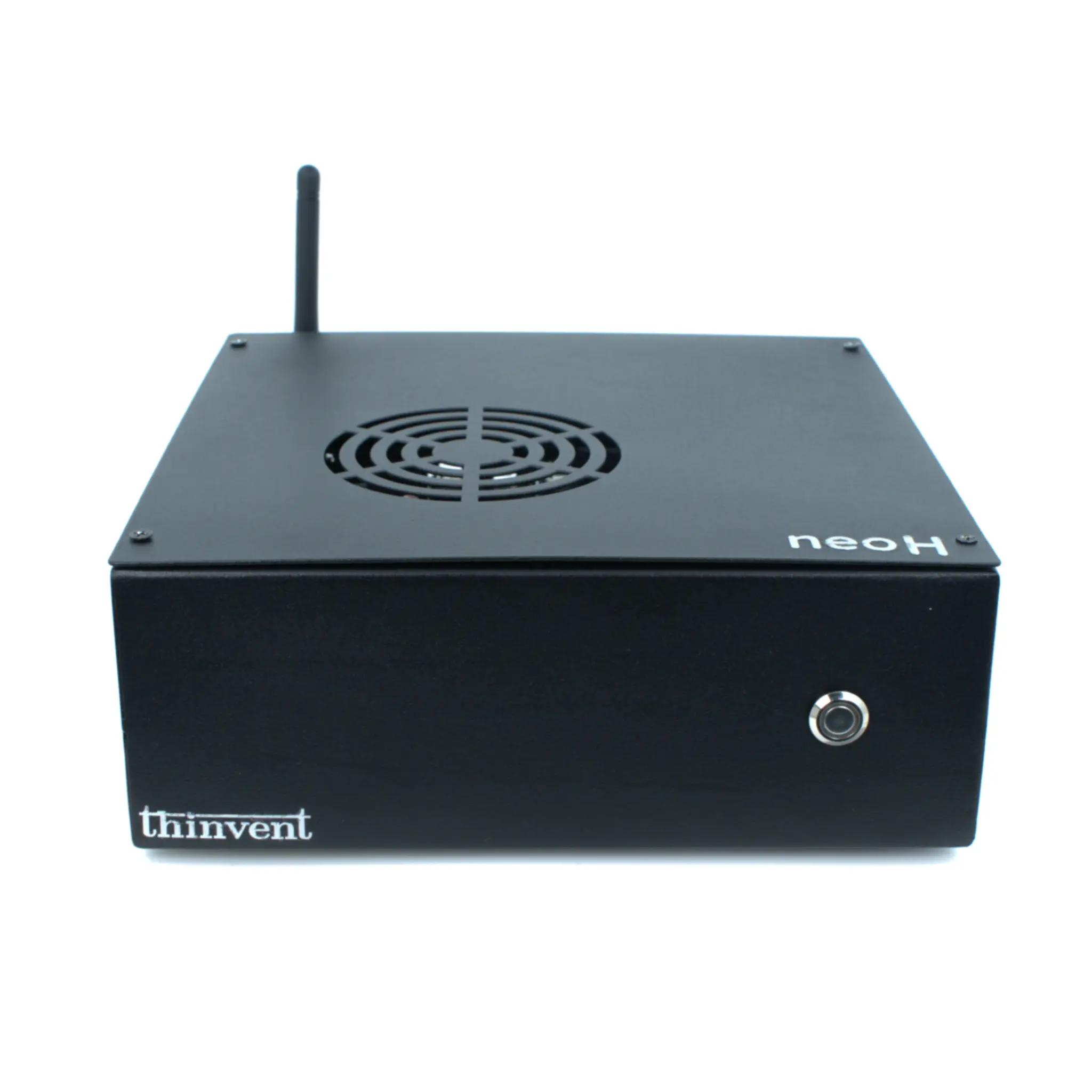
Thinvent leverages the power and reliability of x86 architecture across its comprehensive product lineup. Our industrial computers are engineered for durability in challenging environments, often featuring fanless designs for silent, dust-resistant operation. From compact Mini PCs powered by efficient Intel N-series processors for space-constrained deployments to robust Industrial PCs with high-core-count Intel Core processors for demanding computational tasks, Thinvent provides scalable x86 solutions. Our systems come configured with a choice of operating systems, including Windows 11 Pro, Ubuntu Linux, and our own Thinux™ Embedded Linux, ensuring software flexibility for your specific application needs.