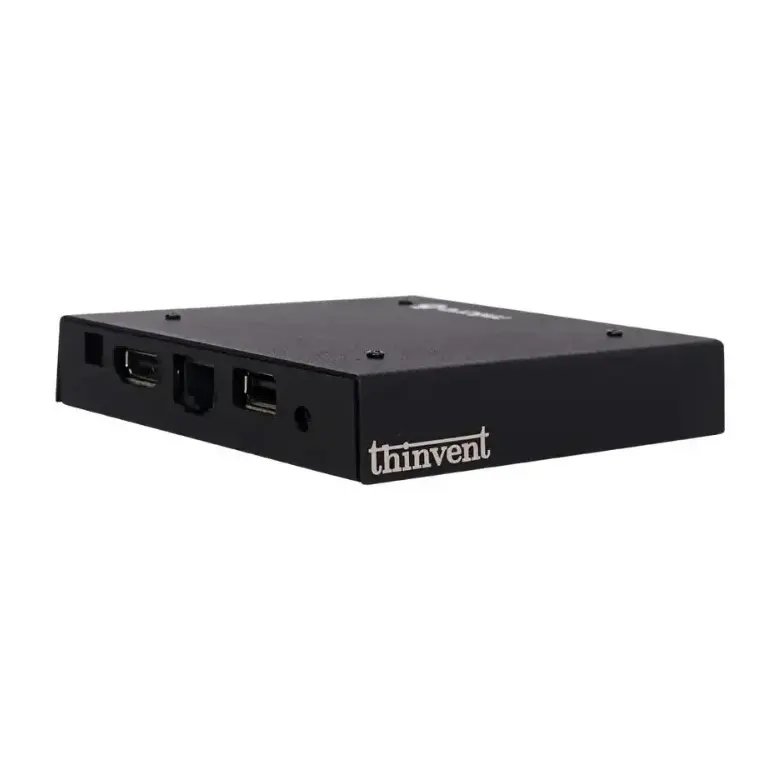
What Are Microcomputers?
Microcomputers, also known as mini PCs or small form factor (SFF) computers, are compact, fully-functional computing systems designed for space-constrained and embedded applications. They offer the core processing power of a desktop PC in a significantly smaller footprint, often featuring fanless, solid-state designs for silent operation and enhanced reliability in demanding environments. These systems are engineered to deliver essential computing performance while minimizing power consumption, heat output, and physical space requirements.
Key Specifications and Technical Details
Modern industrial microcomputers are built around efficient, low-power processors from brands like Intel. Common specifications include multi-core CPUs (e.g., 4-core Intel N-series), DDR4 RAM configurations from 4GB to 16GB or more, and solid-state storage (SSD) options starting at 128GB. A defining feature is their fanless thermal design, which uses passive cooling via heat sinks to eliminate moving parts, reducing points of failure and enabling operation in dusty or volatile conditions. Connectivity is robust, typically including multiple USB ports (including USB 3.2 and Type-C), Gigabit Ethernet, and HDMI/DisplayPort outputs for multi-monitor setups. They support a wide range of operating systems, from Windows 11 IoT/Pro to various Linux distributions like Ubuntu.
Applications and Use Cases
The compact and rugged nature of microcomputers makes them ideal for a vast array of industrial and commercial applications. They are commonly deployed as digital signage players, thin clients for virtual desktop infrastructure (VDI), kiosk controllers, and point-of-sale (POS) systems. In industrial automation, they serve as programmable logic controller (PLC) interfaces, machine vision systems, and IoT gateways for data acquisition. Their fanless design is critical for environments where silence is required (like libraries or medical offices) or where dust and debris could damage traditional cooling fans (e.g., factories, warehouses).
Comparison of Common Microcomputer Form Factors
| Feature | Mini PC (Box Type) | Thin Client | Industrial Panel PC |
|---|---|---|---|
| Primary Use | General-purpose embedded computing | Remote desktop/VDI endpoint | Human-Machine Interface (HMI) |
| Typical I/O | Extensive (USB, LAN, Video) | Basic (Video, LAN, few USB) | Integrated touchscreen, industrial I/O |
| Ruggedness | High (fanless, wide temp. range) | Moderate | Very High (IP-rated, panel-mount) |
| Deployment | Hidden/rack-mounted | Desk-mounted | Machine-mounted/panel-integrated |
| Processing Power | Moderate to High | Low to Moderate | Moderate |
Thinvent Microcomputers
Thinvent specializes in high-reliability, fanless microcomputers designed for 24/7 operation in challenging environments. Our product range includes versatile Aero Mini PCs, which exemplify the modern microcomputer with their compact aluminum chassis, efficient Intel processors, and support for multiple operating systems. Built for durability and silent operation, Thinvent microcomputers are perfect solutions for digital signage, industrial automation, smart kiosks, and edge computing applications where space, reliability, and performance are paramount.