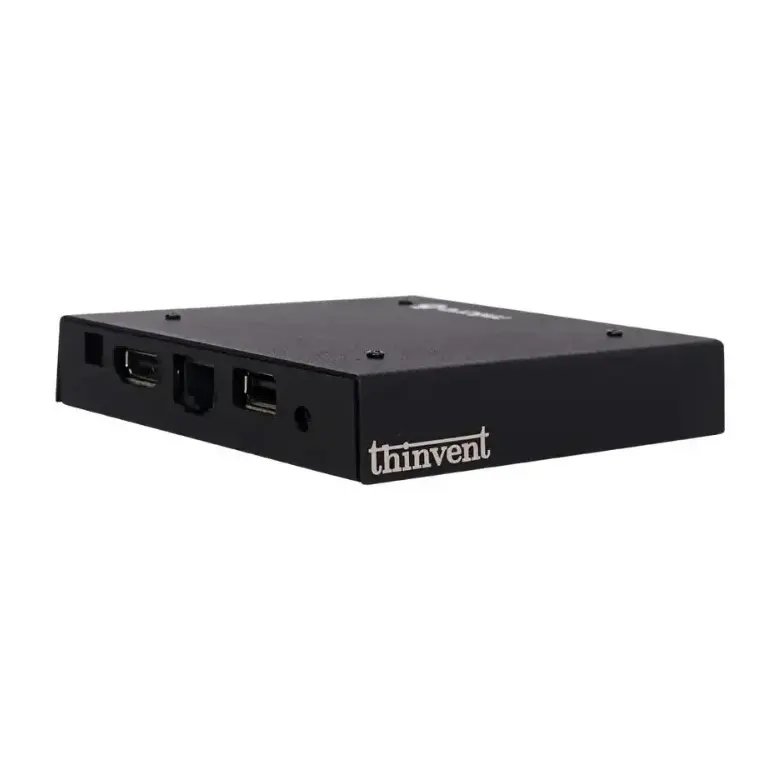
What is a System Unit?
A system unit, often referred to as a desktop computer or tower, is the main chassis that houses the core components of a computing system. This includes the motherboard, central processing unit (CPU), memory (RAM), storage drives, and power supply. In industrial and commercial contexts, these units are engineered for reliability, durability, and specific workloads, moving beyond the capabilities of standard consumer desktops.
Key Specifications and Technical Details
Industrial system units are defined by their robust specifications designed for continuous operation. Key components include:
-
Processor (CPU): Ranges from efficient Intel® N-series processors for basic tasks to powerful Intel® Core™ i3, i5, and i7 CPUs for demanding applications.
-
Memory (RAM): Configurations typically start at 8GB, with options for 16GB, 32GB, or 64GB to handle multiple applications and data-intensive processes.
-
Storage: Utilizes fast and reliable Solid State Drives (SSDs) in capacities like 128GB, 256GB, 512GB, and 1TB (1024GB).
-
Form Factors: Available as compact Mini PCs for space-constrained environments, traditional Industrial PCs for expansion, or All-in-One units with integrated displays.
-
Operating Systems: Options include Microsoft Windows 11 Pro for business software, Ubuntu Linux for development and servers, or units supplied without an OS for custom deployments.
-
Connectivity: Standard features include Gigabit Ethernet (1000 Mbps), multiple USB ports (including USB 3.2 Gen 2 and USB-C), and HDMI outputs for multi-monitor setups.
Use Cases and Applications
These computers are built for environments where standard PCs would fail. Common applications include:
-
Digital Signage & Kiosks: Powering interactive displays in retail, hospitality, and public spaces.
-
Industrial Automation: Serving as controllers for manufacturing equipment, PLCs, and assembly lines.
-
Thin Client & VDI: Acting as endpoints for virtual desktop infrastructure in offices and call centers.
-
Edge Computing: Processing data locally in IoT networks, transportation, and smart city infrastructure.
-
Office Productivity: Providing a reliable, fanless, and compact computing solution for general business tasks.
Comparison of Common System Unit Types
| Feature | Mini PC | Industrial PC (IPC) | All-in-One (AIO) |
|---|---|---|---|
| Primary Use | Space-saving, embedded applications | Rugged, expandable control systems | Integrated display for kiosks/office |
| Typical Processor | Intel N-series, Celeron, Core i3/i5 | Intel Core i3/i5/i7, Xeon | Intel Core i3/i5 |
| Expandability | Limited | High (multiple expansion slots) | Low to Moderate |
| Durability | Fanless, wide temperature range | Highest (vibration/shock resistant) | Standard commercial |
| Ideal For | Digital signage, thin clients, IoT gateways | Factory automation, machine vision, testing | Reception desks, retail POS, classrooms |
Thinvent Industrial System Units
Thinvent specializes in manufacturing a wide range of industrial-grade system units designed for 24/7 operation. Our product lineup includes fanless Mini PCs like the Aero series, built with efficient Intel processors for silent, reliable performance in demanding environments. For applications requiring greater processing power and expansion capabilities, our Industrial PCs offer robust chassis and support for high-performance Intel Core processors. We also provide All-in-One computers with integrated displays, perfect for interactive kiosks and space-efficient workstations. Every Thinvent system unit is engineered with quality components, extensive connectivity options, and support for various operating systems to meet the precise needs of global industrial and commercial customers.