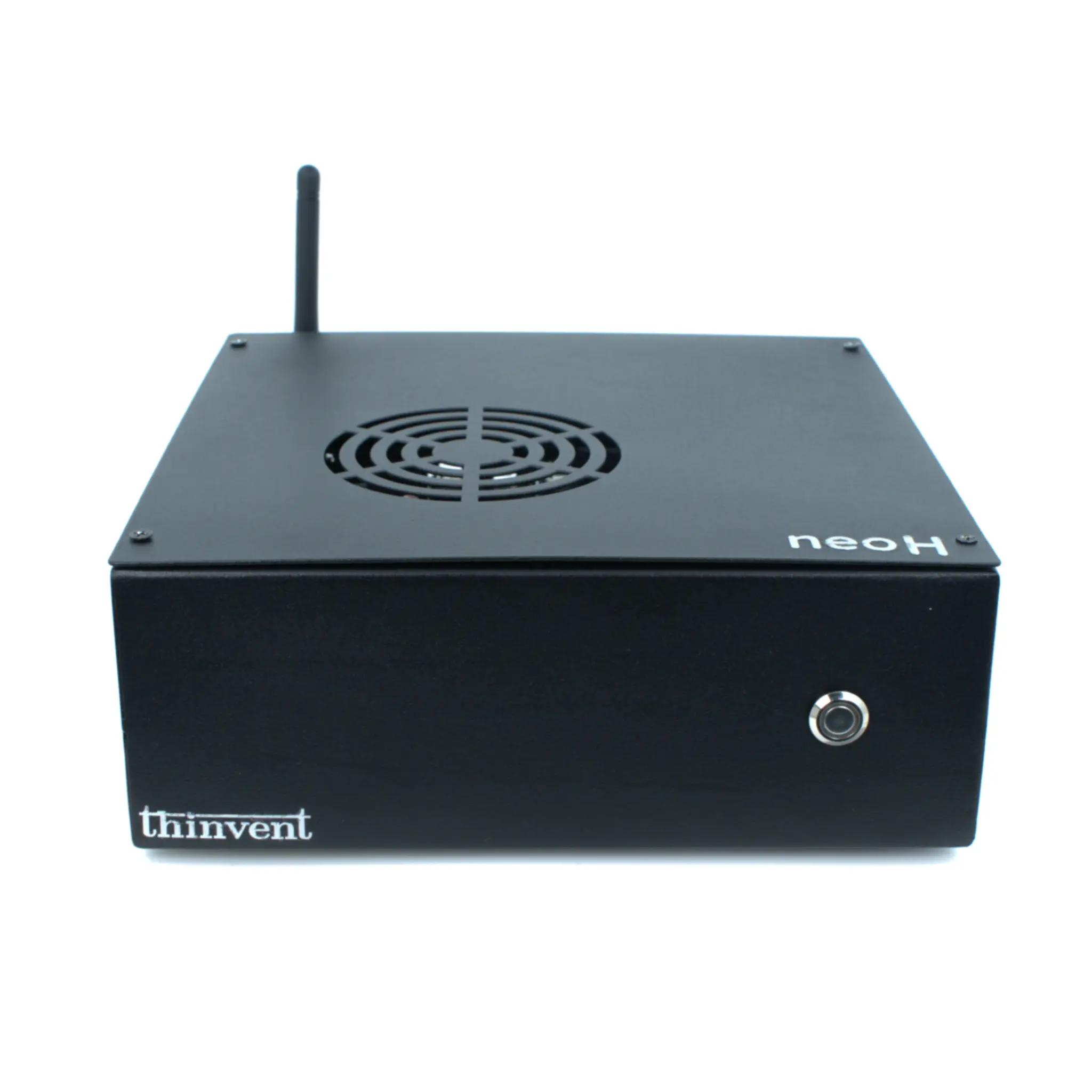
What Are Fanless Industrial Computers?
Fanless industrial computers are specialized computing systems designed to operate without internal cooling fans. They rely on passive cooling techniques, such as heat sinks and thermally conductive chassis, to dissipate heat. This design is critical for reliability in demanding environments where dust, debris, moisture, or extreme temperatures are present. These systems are built for 24/7 operation, offering silent performance and enhanced durability compared to standard consumer PCs.
Key Specifications and Technical Advantages
The core advantage of a fanless design is its elimination of moving parts, which are a common point of failure. Key specifications that define these systems include:
-
Rugged Construction: Often feature all-metal, IP-rated enclosures for protection against dust and liquids.
-
Wide Temperature Range: Capable of operating in extreme temperatures, typically from -20°C to 60°C or wider.
-
Shock and Vibration Resistance: Built to withstand the physical stresses of industrial settings.
-
Rich I/O Connectivity: Equipped with multiple serial ports (COM), LAN ports, USB ports, and expansion slots for industrial peripherals.
-
Low-Power, Efficient Processors: Utilize processors like Intel's N-series or Celeron series that generate minimal heat, enabling effective passive cooling.
Applications and Use Cases
Fanless industrial PCs are indispensable in environments where standard computers would fail. Common applications include:
-
Factory Automation: Machine control, PLC supervision, and HMI (Human-Machine Interface) stations on the factory floor.
-
Digital Signage & Kiosks: Public information displays, interactive kiosks, and menu boards in retail, transportation, and hospitality.
-
Outdoor & In-Vehicle Computing: Traffic control systems, fleet management, and mobile data terminals in police cars or ambulances.
-
Clean Environments: Laboratories, medical facilities, and food processing plants where fan-induced contamination is a concern.
-
Edge Computing & IoT Gateways: Deploying computing power at the network edge in remote or harsh locations for data acquisition and processing.
Comparison: Fanless vs. Traditional Industrial PCs
| Feature | Fanless Industrial PC | Traditional Industrial PC (with Fan) |
|---|---|---|
| Cooling Method | Passive (Heat sinks, chassis) | Active (Internal fans) |
| Noise Level | Silent (0 dB) | Audible fan noise |
| Dust & Debris Resistance | Excellent (Sealed design) | Moderate (Requires air filters) |
| Maintenance | Minimal (No fan cleaning/replacement) | Regular fan and filter maintenance |
| Typical Operating Temp | Wider range (e.g., -20°C to 60°C) | Standard range (e.g., 0°C to 40°C) |
| Physical Profile | Can be more compact | Often larger to accommodate fans and airflow |
| Ideal For | Harsh, dirty, or silent environments | High-performance computing in controlled environments |
Thinvent Fanless Industrial Computing Solutions
Thinvent offers a comprehensive range of robust fanless computers engineered for reliability. Our product lines include compact Mini PCs and Industrial PCs built with durable, all-metal casings that effectively dissipate heat. Featuring efficient Intel processors from the N-series and Celeron families, these systems deliver the necessary performance for industrial automation, digital signage, and edge computing tasks without the risk of fan failure. They come with a variety of connectivity options and support for multiple operating systems, including Windows IoT, Linux, and Windows Pro, ensuring compatibility with your specific industrial software and hardware requirements.