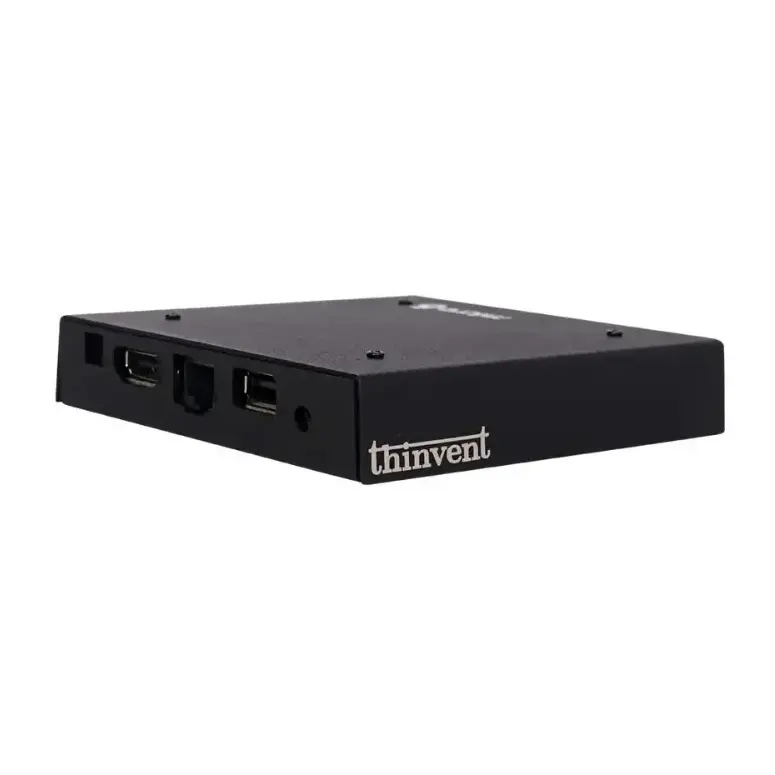
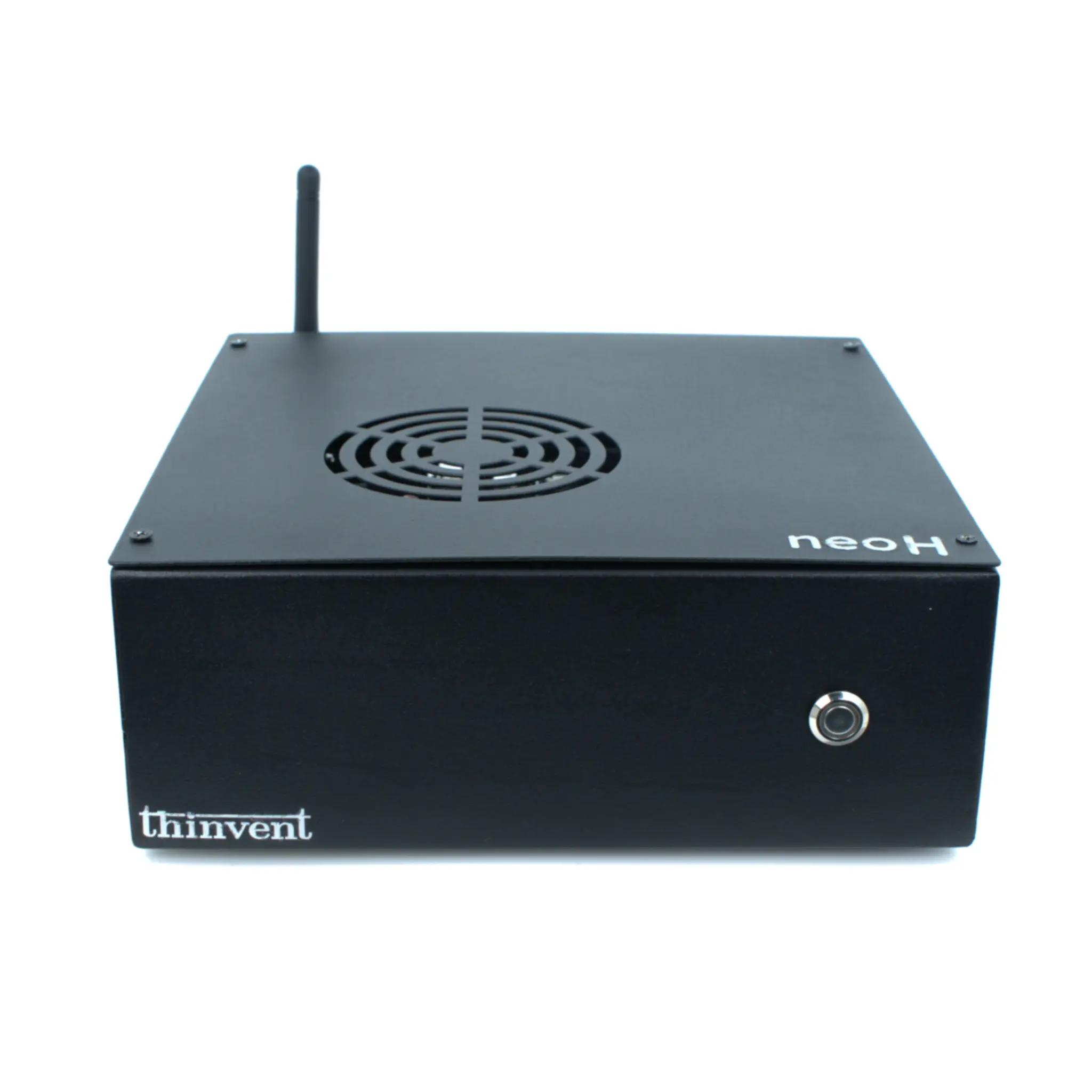
A small computer, often called a Mini PC, is a compact, space-saving desktop computer that provides full computing functionality in a significantly reduced footprint. These systems are designed to deliver reliable performance for a wide range of applications while consuming less power and generating less heat than traditional tower desktops. Key specifications typically include modern, efficient processors (like Intel's N-series or Core i-series), DDR4 or DDR5 RAM, solid-state drives (SSD) for fast storage, and a variety of connectivity ports including USB, HDMI, and Ethernet. Many industrial-grade models feature fanless, sealed designs for silent operation and enhanced durability in challenging environments.
Key Specifications and Technical Details
Modern small computers are built around low-power, high-efficiency system-on-a-chip (SoC) designs. Common processors include Intel's Celeron, Pentium N-series, and Core i3/i5 CPUs from recent generations. They typically support 4GB to 64GB of RAM and offer SSD storage from 128GB to 1TB or more. Connectivity is a major strength, with standard features including Gigabit Ethernet, multiple USB 3.2 ports, HDMI/DisplayPort outputs for dual or triple monitor setups, and often support for Wi-Fi 6 and Bluetooth. The power supply is usually external, and the entire unit is designed for VESA mounting behind monitors or under desks.
Use Cases and Applications
The compact size and robust build of these computers make them ideal for numerous scenarios. In digital signage and kiosks, their small form factor and fanless operation allow for discreet installation in public spaces. For office and productivity, they serve as efficient, quiet workstations for general computing, video conferencing, and document processing. In industrial automation and IoT, their reliability and wide operating temperature ranges support machine control, data acquisition, and edge computing. They are also perfect for home entertainment centers as media PCs or for thin client and virtualization setups in enterprise environments.
Comparison of Common Mini PC Form Factors
| Feature | Industrial Fanless Mini PC | Commercial/Office Mini PC | Ultra-Compact Stick PC |
|---|---|---|---|
| Primary Use | Harsh environments, 24/7 operation | General office, digital signage | Space-constrained displays, basic computing |
| Cooling | Fanless, passive heatsink | Active fan or fanless | Fanless |
| Durability | High (wide temp, shock/vib resistant) | Standard | Standard |
| I/O Ports | Extensive (multiple LAN, serial, USB) | Standard (USB, HDMI, Ethernet) | Limited (USB, HDMI, sometimes micro-USB power) |
| Expandability | Moderate (often with expansion slots) | Low to Moderate | None |
Thinvent Mini PC Solutions
Thinvent offers a comprehensive range of compact, high-performance Mini PCs designed for reliability across diverse applications. Our product lines, such as the Aero series, feature the latest Intel processors, including efficient N-series chips and powerful Core i-series options. Built with industrial-grade components, these systems support flexible configurations for memory, storage, and operating systems—from Windows 11 and Ubuntu Linux to embedded platforms. Whether you need a silent, fanless computer for a factory floor, a versatile office workstation, or a robust digital signage player, Thinvent's Mini PCs provide a scalable, space-efficient computing solution backed by global support.