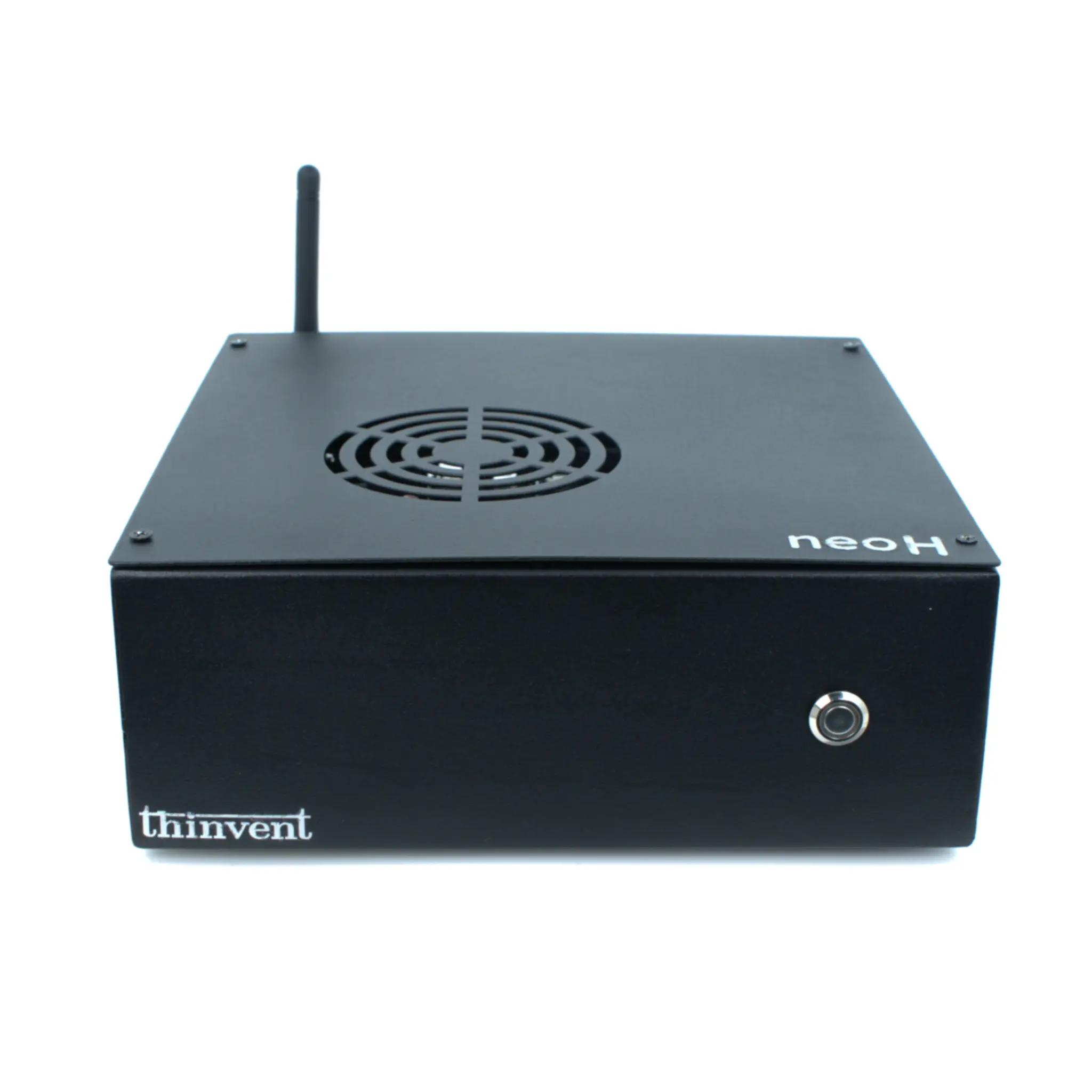
What Are Compact Mini PCs?
Compact Mini PCs, often referred to as small form factor (SFF) computers, are powerful, space-saving desktop solutions that deliver full computing functionality in a significantly reduced footprint. These systems are ideal for environments where space is at a premium, energy efficiency is desired, or a clean, minimalist setup is required. They typically feature modern processors, ample memory and storage, and a variety of connectivity options, all housed in a chassis that can fit in the palm of your hand or be mounted discreetly behind a monitor.
Key Specifications and Technical Details
Modern compact Mini PCs are engineered for efficiency and reliability. Core specifications often include energy-efficient Intel processors from series like the Intel N-series (e.g., N100), which offer excellent performance-per-watt with multiple cores and high clock speeds. They are commonly equipped with 8GB to 16GB of DDR4 RAM and fast solid-state drives (SSDs) ranging from 128GB to 512GB for quick boot times and responsive application performance. A defining feature of industrial-grade models is fanless cooling, which uses passive heat dissipation to eliminate moving parts, resulting in silent operation, improved dust resistance, and enhanced long-term reliability. Standard connectivity includes multiple USB ports (including USB 3.2 and Type-C), HDMI outputs for dual displays, and Gigabit Ethernet for stable network connections.
Ideal Use Cases and Applications
The versatility of compact Mini PCs makes them suitable for a wide array of professional and industrial applications. In office settings, they serve as efficient workstations for general productivity, web browsing, and video conferencing. For digital signage and kiosks, their small size and reliability are perfect for driving displays in retail, hospitality, or public information points. In industrial automation and IoT gateways, their rugged, fanless design allows them to operate reliably in harsh environments with wide temperature ranges. They are also excellent for home theater PCs (HTPCs), thin clients in virtual desktop infrastructure (VDI), and as compact servers for light-duty networking tasks.
Comparison of Common Mini PC Configurations
| Feature | Entry-Level / Office Use | Performance / Multitasking | Industrial / Embedded |
|---|---|---|---|
| Typical Processor | Intel N-series (e.g., N95, N100) | Intel Core i3/i5 (e.g., 1215U, 1335U) | Intel Celeron / Atom (e.g., J4125) |
| RAM | 8GB - 16GB | 16GB - 32GB | 4GB - 8GB (often soldered) |
| Storage | 128GB - 256GB SSD | 256GB - 1TB SSD | 64GB - 128GB SSD (often industrial-grade) |
| Cooling | Active (fan) or Passive (fanless) | Active (fan) for higher performance | Passive (Fanless) for reliability |
| Key Use Case | Web browsing, Office suites, Media playback | Software development, Graphic design, Light gaming | Digital signage, Machine control, IoT Edge |
Thinvent Compact Mini PCs
Thinvent specializes in manufacturing robust and reliable compact Mini PCs designed for demanding commercial and industrial environments. Our product range includes versatile models like the Thinvent Aero Mini PC, which features the efficient Intel N100 processor, fanless cooling for silent and maintenance-free operation, and multiple configuration options for memory, storage, and operating systems (including Windows 11 Pro, Ubuntu Linux, and embedded OS options). Built with quality components, Thinvent Mini PCs are engineered for 24/7 operation, making them a trusted choice for digital signage, office workstations, kiosks, and industrial automation projects worldwide.