What Are Fanless Mini PCs?
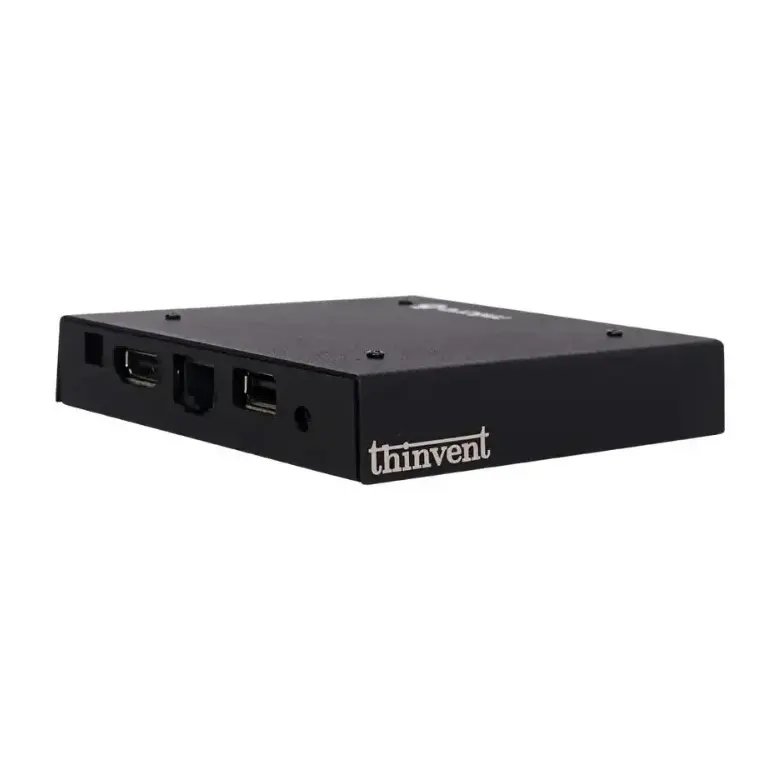
A fanless mini PC is a compact, solid-state computer designed without internal cooling fans. Instead, it uses passive cooling techniques like heat sinks and thermally conductive chassis to dissipate heat. This design eliminates moving parts, which is the primary source of failure in traditional computers. These systems are built for environments where reliability, silence, and resistance to dust and debris are critical.
Key Specifications and Technical Details
Fanless mini PCs are characterized by their robust construction and efficient, low-power processors. Common specifications include:
-
Processor: Typically feature Intel Celeron, Pentium, or Core i-series processors (e.g., N100, J4125, i3, i5) with low Thermal Design Power (TDP).
-
Memory & Storage: Configurations often range from 4GB to 32GB of RAM and 128GB to 1TB of SSD storage.
-
Connectivity: Offer extensive I/O including multiple USB ports (2.0, 3.2), HDMI/DisplayPort outputs, Gigabit Ethernet, and often serial ports (COM) for industrial devices.
-
Operating Temperature: Engineered to operate reliably in wide temperature ranges, often from -20°C to 60°C.
-
Power Supply: Use low-voltage DC input (e.g., 12V/19V), making them ideal for 24/7 operation and integration with power-over-Ethernet (PoE) or vehicle power systems.
Use Cases and Applications
The fanless design makes these PCs indispensable in harsh or sensitive environments. Primary applications include:
-
Industrial Automation: Controlling machinery on factory floors where dust, vibration, and extreme temperatures are present.
-
Digital Signage & Kiosks: Powering displays in public spaces, retail, and transportation hubs, requiring silent and reliable 24/7 operation.
-
Embedded Systems & IoT Gateways: Acting as a central hub for data collection and processing in smart buildings, agriculture, and energy management.
-
Thin Client & VDI: Providing a durable, maintenance-free endpoint for virtual desktop infrastructure in offices, schools, and hospitals.
-
In-Vehicle Computing: Used in transportation for fleet management, surveillance, and passenger infotainment systems.
Comparison: Fanless vs. Traditional Mini PCs
| Feature | Fanless Mini PC | Traditional Mini PC (with Fan) |
|---|---|---|
| Cooling | Passive (Heat Sinks) | Active (Internal Fan) |
| Noise Level | Silent (0 dB) | Audible Fan Noise |
| Dust & Debris Resistance | High (Sealed Chassis) | Low (Fan Intakes) |
| Mechanical Failure Risk | Very Low | Higher (Fan is a moving part) |
| Typical Use Case | Harsh/Industrial, 24/7 operation | Office, Home, General Computing |
| Processor Power | Optimized for Low TDP | Can accommodate higher TDP CPUs |
Thinvent Fanless Mini PCs
Thinvent specializes in manufacturing robust fanless mini PCs designed for demanding industrial and commercial applications. Our product range features the latest Intel processors, from efficient Celeron N-series to powerful Core i5 models, all housed in durable, fanless aluminum enclosures. Thinvent systems come with flexible configuration options for memory, storage, and operating systems (including Windows, Linux, and DOS), ensuring a perfect fit for your specific project requirements. Built for reliability and longevity, Thinvent fanless PCs are the ideal solution for embedded applications, digital signage, and any environment where silent, maintenance-free computing is essential.