What is Computer Hardware?
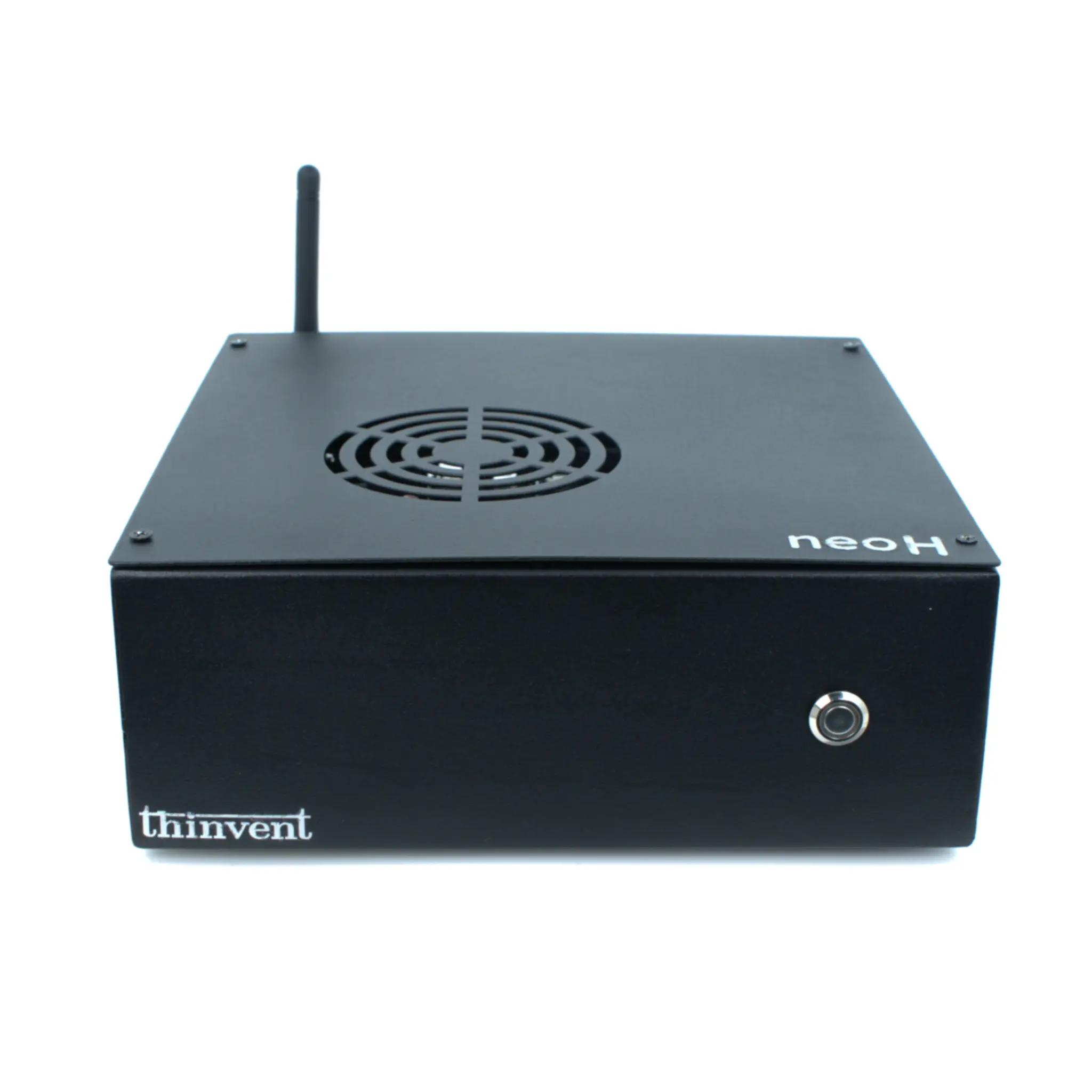
Computer hardware refers to the physical, tangible components that make up a computing system. This includes the central processing unit (CPU), memory (RAM), storage drives (SSD/HDD), motherboards, power supplies, and the chassis or form factor that houses them all. For industrial applications, hardware is engineered for reliability, durability, and operation in demanding environments, often featuring fanless cooling, wide temperature tolerance, and robust connectivity.
Key Specifications and Technical Details
Industrial computer hardware is defined by its core technical specifications, which determine its performance and suitability for specific tasks. Key components include:
-
Processor (CPU): The brain of the computer. Industrial PCs use processors from Intel (e.g., Celeron, Core i3/i5) and ARM, with varying core counts (4, 6, 10, 12) and generations (10th, 12th, 13th, 14th) for different performance tiers.
-
Memory (RAM): Temporary data storage for running applications. Common configurations are 4GB, 8GB, 16GB, 32GB, and 64GB. More RAM allows for smoother multitasking and handling of larger datasets.
-
Storage (SSD): Permanent storage for the operating system and files. Solid State Drives (SSDs) with capacities like 128GB, 256GB, 512GB, and 1TB are preferred for their speed and shock resistance.
-
Form Factor: The physical design, such as Mini PC, Thin Client, All-in-One, or modular Industrial PC, which dictates size, mounting options, and expansion capabilities.
-
Connectivity: Essential ports including Gigabit Ethernet, multiple HDMI outputs, USB 3.2 Gen 2, and USB-C for peripherals and displays.
Applications and Use Cases
Rugged industrial hardware is deployed in scenarios where standard commercial PCs would fail.
-
Digital Signage & Kiosks: Driving displays in retail, hospitality, and public transport with reliable, always-on operation.
-
Factory Automation & IoT Gateways: Controlling machinery, collecting sensor data, and running SCADA/HMI software on the factory floor.
-
Thin Client & VDI: Providing secure, centralized desktop access in offices, call centers, and healthcare facilities.
-
Edge Computing: Processing data locally in smart cities, transportation, and energy grids with compact, fanless systems.
Comparison of Common Industrial Hardware Types
| Feature | Mini PC | Thin Client | Industrial PC (Box PC) | All-in-One |
|---|---|---|---|---|
| Primary Use | Space-saving general computing | Virtual Desktop Infrastructure (VDI) | Harsh industrial environments | Integrated display solutions |
| Typical Processor | Intel N-series, Core i3/i5 | Intel/ARM, lower power | Intel Core i5/i7, high performance | Intel Celeron, Core i3/i5 |
| Key Advantage | Compact size, low power | Security, easy management | Ruggedness, expansion slots | Clean installation, built-in display |
| Common Applications | Digital signage, office work | Call centers, healthcare | Factory automation, machine vision | POS, interactive kiosks, control rooms |
Thinvent Industrial Hardware Solutions
Thinvent manufactures a comprehensive range of reliable industrial computer hardware designed for 24/7 operation. Our portfolio includes fanless Mini PCs powered by efficient Intel processors like the N100, versatile Thin Clients for secure network environments, robust Industrial Box PCs for demanding factory settings, and sleek All-in-One touchscreen systems. Each product is built with quality components, offers flexible configuration options for memory and storage, and supports various operating systems to meet the precise needs of global industrial and commercial deployments.