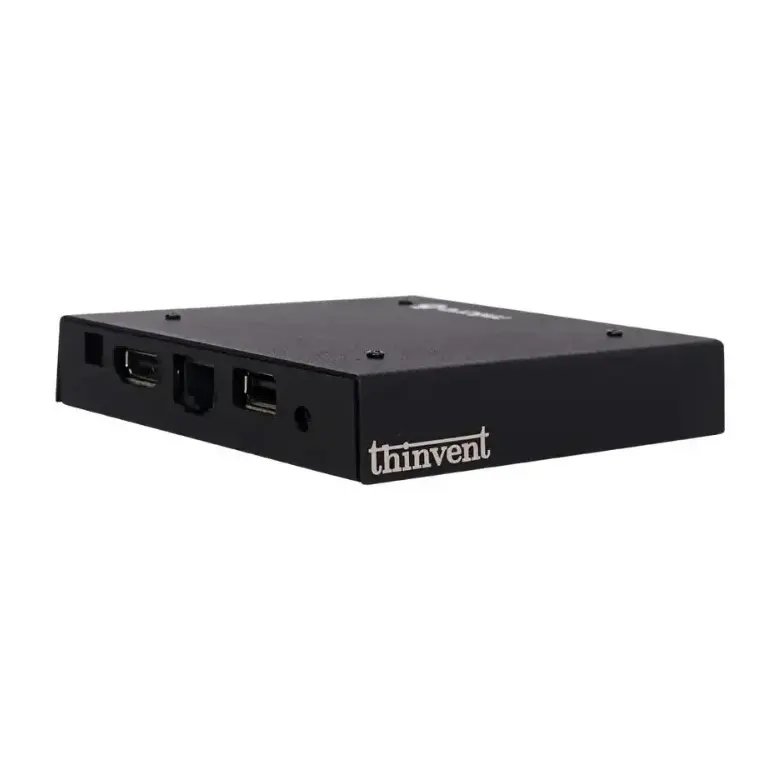
A thin client is a lightweight, network-dependent computer designed to connect to a centralized server or cloud environment where the primary computing and data storage occurs. The query "シン クライアント wyse" refers to a search for modern thin client solutions, similar to the legacy Dell Wyse series, which are used for secure, manageable, and cost-effective desktop virtualization. These devices are engineered for reliability, low power consumption, and silent, fanless operation, making them ideal for centralized IT infrastructures.
Key Specifications and Technical Details
Modern thin clients are characterized by their compact form factor, energy-efficient processors, and minimal local storage. Key specifications typically include:
-
Processors: Low-power Intel or ARM-based CPUs (e.g., Intel N-series) with integrated graphics.
-
Memory: Typically 4GB to 16GB of RAM, sufficient for running a client OS and remote session.
-
Storage: Small-capacity SSDs (e.g., 128GB) or even eMMC storage, primarily for the host operating system and caching.
-
Connectivity: Multiple display outputs (HDMI), Gigabit Ethernet for stable network connections, and USB ports for peripherals.
-
Cooling: Passive, fanless designs for silent operation and high reliability in dusty environments.
-
Operating Systems: Often run lightweight or embedded versions of Windows, Linux, or specialized thin client OS software optimized for remote protocols like RDP, Citrix HDX, or VMware Blast.
Use Cases and Applications
Thin clients are deployed in scenarios where security, centralized management, and lower total cost of ownership are priorities.
-
Virtual Desktop Infrastructure (VDI): Providing employees with secure access to virtual desktops hosted on servers.
-
Call Centers & Retail: For point-of-sale (POS) systems, kiosks, and customer service terminals where standardized, locked-down environments are needed.
-
Healthcare & Education: In hospitals for accessing electronic health records (EHR) and in classrooms or computer labs for easy software deployment and management.
-
Industrial & Embedded: As durable, low-maintenance terminals in factories or control rooms.
Comparison: Thin Client vs. Traditional Desktop
| Feature | Thin Client | Traditional Desktop PC |
|---|---|---|
| Primary Role | Access device for remote resources | Local computing and storage |
| Processing Power | Low to moderate, energy-efficient | High-performance, power-hungry |
| Local Storage | Minimal (OS & cache) | Large (for applications & data) |
| Security | High (data resides centrally) | Variable (data on local device) |
| Management | Centralized, easy to update/deploy | Individual, more complex |
| Total Cost | Lower long-term (energy, maintenance) | Higher upfront and operational |
Thinvent Thin Client Solutions
Thinvent offers a range of industrial-grade thin client computers designed as modern, reliable alternatives. Our devices, like the Aero Mini PC series, feature fanless designs with efficient Intel processors (such as the N100), robust connectivity options, and support for multiple operating systems including Windows IoT, Windows Pro, and various Linux distributions. Built for 24/7 operation, Thinvent thin clients provide the durability, silent performance, and manageability required for demanding business and industrial environments worldwide.