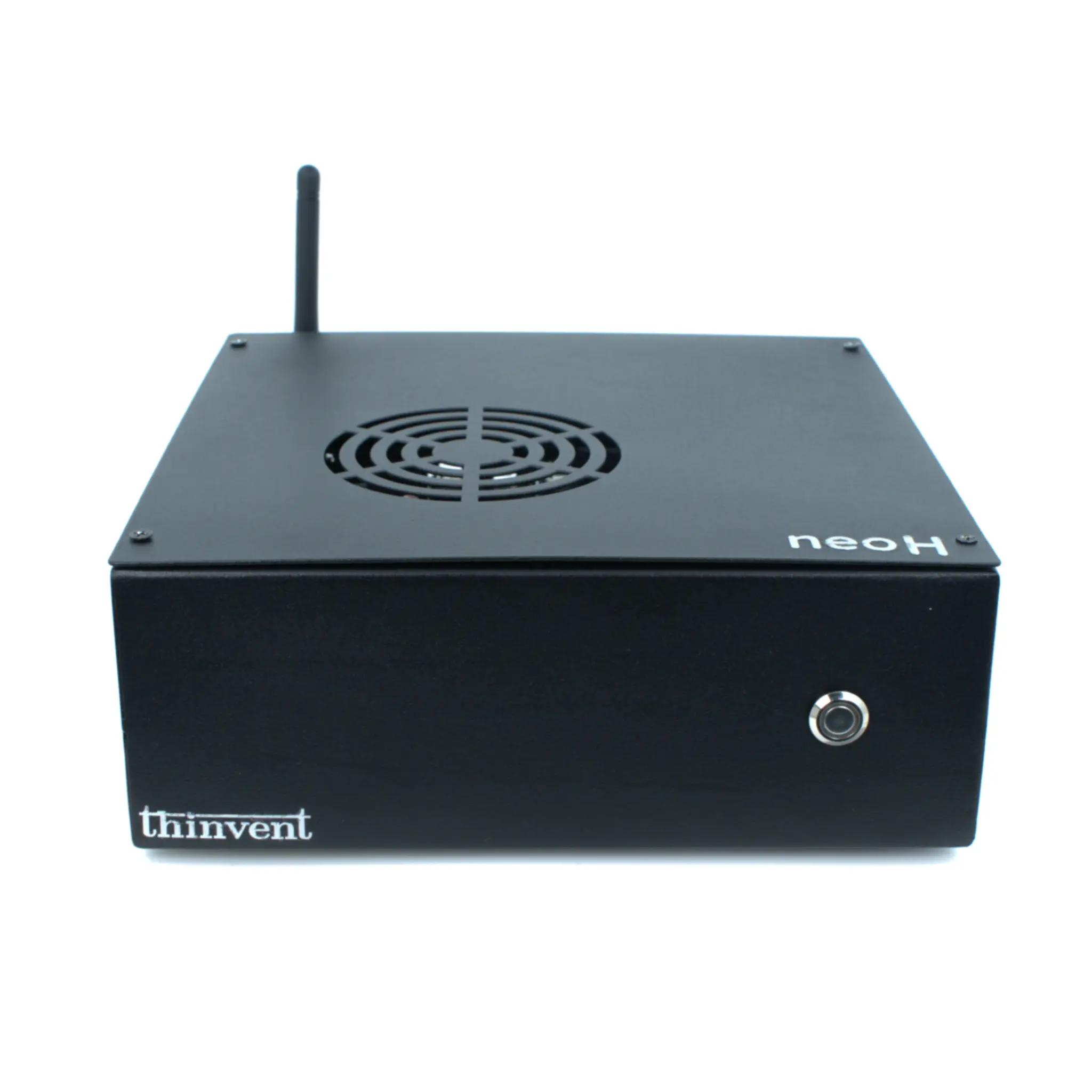
Understanding Compact Mini PCs
Compact mini PCs are small-form-factor computers designed to deliver reliable computing power while occupying minimal desk or workspace. Unlike traditional desktop towers, these systems integrate core components into a chassis often smaller than a book, making them ideal for environments where space is at a premium. Despite their size, modern mini PCs offer sufficient performance for everyday tasks such as web browsing, office applications, media streaming, and even light productivity workloads.
Key Specifications and Technical Details
When evaluating a compact mini PC, several specifications matter most:
-
Processor: Options range from energy-efficient ARM Cortex chips (e.g., Cortex A53, A55) for basic tasks to Intel N-series (N95, N100) and Core i3/i5 processors for more demanding applications. The Intel N100, for example, features 4 cores up to 3.4 GHz, balancing performance with low power consumption.
-
Memory: Typically 2GB to 16GB of RAM. For basic use (web, office), 4GB is sufficient; for multitasking, 8GB or more is recommended.
-
Storage: eMMC (16GB–64GB) for cost-sensitive builds or SSDs (128GB–512GB) for faster boot times and application loading.
-
Connectivity: HDMI output for displays, USB ports for peripherals, and often Ethernet for wired networking. Some models include WiFi for wireless connectivity.
-
Power: Many compact PCs use external power adapters (5V–12V), contributing to their small footprint and low heat output.
Use Cases and Applications
Compact mini PCs excel in several scenarios:
| Use Case | Recommended Specs | Example Application |
|---|---|---|
| Digital signage | ARM Cortex, 2GB RAM, 16GB eMMC | Displaying advertisements or information screens |
| Thin client / office workstation | Intel N100, 4GB RAM, 128GB SSD | Remote desktop access, office productivity |
| Home media center | Intel N95/N100, 4GB–8GB RAM | Streaming video, light gaming, file server |
| Industrial control | Intel Core i3/i5, 8GB+ RAM | Machine monitoring, data collection |
| Education / kiosk | ARM or Intel N-series, 4GB RAM | Interactive learning stations, self-service kiosks |
These systems are also popular in healthcare (patient check-in kiosks), retail (point-of-sale), and hospitality (guest information terminals) due to their silent operation (fanless designs) and low maintenance requirements.
Comparison of Popular Processor Options
| Processor | Cores | Max Frequency | Cache | Typical RAM | Best For |
|---|---|---|---|---|---|
| ARM Cortex A53 | 4 | 1.5 GHz | 1 MB | 2GB | Ultra-low power, basic tasks |
| Intel N95 | 4 | 3.4 GHz | 6 MB | 4GB | Budget office, media |
| Intel N100 | 4 | 3.4 GHz | 6 MB | 4GB–8GB | Balanced performance |
| Intel Core i3-1215U | 6 | 4.4 GHz | 10 MB | 8GB–16GB | Multitasking, light creative |
| Intel Core i5-1240P | 12 | 4.4 GHz | 12 MB | 16GB+ | Demanding productivity |
Thinvent's Range of Compact Mini PCs
Thinvent offers a comprehensive lineup of compact mini PCs tailored to various needs. The Treo Mini PC series combines Intel N-series processors (N95, N100) with 4GB RAM and 128GB SSD for reliable office and thin client use. For more demanding applications, the Aero Mini PC features Intel Core i3-1215U or Core 5 120U processors with up to 16GB RAM and 512GB SSD, supporting Windows 11 Pro or Ubuntu Linux. Additionally, the Micro 5 and Micro 6 Pro models utilize energy-efficient ARM Cortex processors with onboard RAM and eMMC storage, ideal for ultra-compact embedded systems and digital signage. All Thinvent mini PCs are engineered for durability, silent operation, and long-term reliability in space-constrained environments.