What is a Compact Embedded Computer?
A compact embedded computer is a small, ruggedized computing system designed to be integrated into larger equipment or deployed in space-constrained, demanding environments. Unlike standard desktop PCs, these systems prioritize reliability, low power consumption, and fanless operation over raw performance, making them ideal for 24/7 operation in industrial settings. They are built to withstand vibrations, wide temperature ranges, and often feature a wide range of I/O ports for connecting to industrial machinery and sensors.
Key Specifications and Design Features
These computers are defined by their form factor and robust engineering. Common specifications include low-power Intel or ARM processors (like the Intel N-series), passive cooling (no moving fans), and compact dimensions, often as small as a paperback book. They typically support industrial voltage inputs (e.g., 9-36V DC), have multiple Ethernet ports for network connectivity, and offer various mounting options (VESA, DIN-rail, wall-mount). Storage and memory are often provided via soldered or socketed modules for enhanced durability against shock and vibration.
Applications and Use Cases
Compact embedded computers are the backbone of modern industrial automation and IoT. Their primary use cases include:
-
Industrial Automation: Acting as a controller for PLCs, HMIs (Human-Machine Interfaces), and machine vision systems on the factory floor.
-
Digital Signage & Kiosks: Powering interactive displays, menu boards, and information points in retail, hospitality, and public spaces.
-
Edge Computing: Processing data from sensors and cameras locally at the "edge" of the network before sending it to the cloud, reducing latency and bandwidth.
-
Transportation & Logistics: Used in fleet management, in-vehicle infotainment, and automated guided vehicles (AGVs).
-
Thin Client Solutions: Serving as a secure endpoint for virtual desktop infrastructure (VDI) in offices and call centers.
Comparison: Key Embedded Computer Form Factors
| Feature | Compact Fanless Box PC | Panel PC / All-in-One | Rugged Industrial PC |
|---|---|---|---|
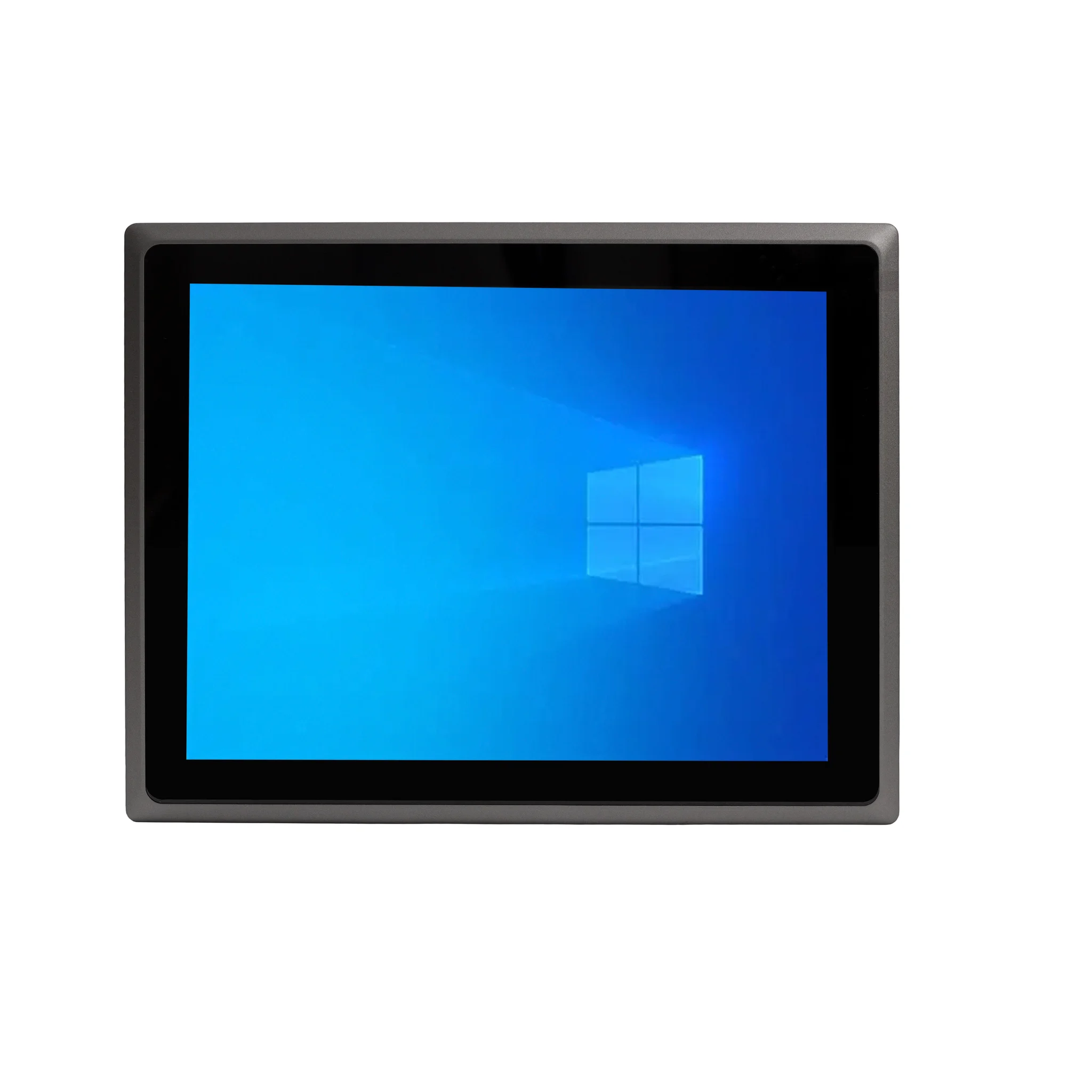
| Primary Use | Space-constrained integration | Human-Machine Interface (HMI) | Extreme environments (vibration, temp) |
| Form Factor | Small, enclosed box | Integrated display and computer | Heavy-duty enclosure, often rack-mount |
| Cooling | Fanless (passive) | Often fanless or low-noise fan | Enhanced cooling for wide temp ranges |
| Mounting | VESA, DIN-rail, wall | Panel-mount, arm, stand | DIN-rail, rack, wall |
| I/O Flexibility | High (multiple expansion slots) | Moderate (built-in display) | Very High (modular expansion) |
Thinvent Compact Embedded Computing Solutions
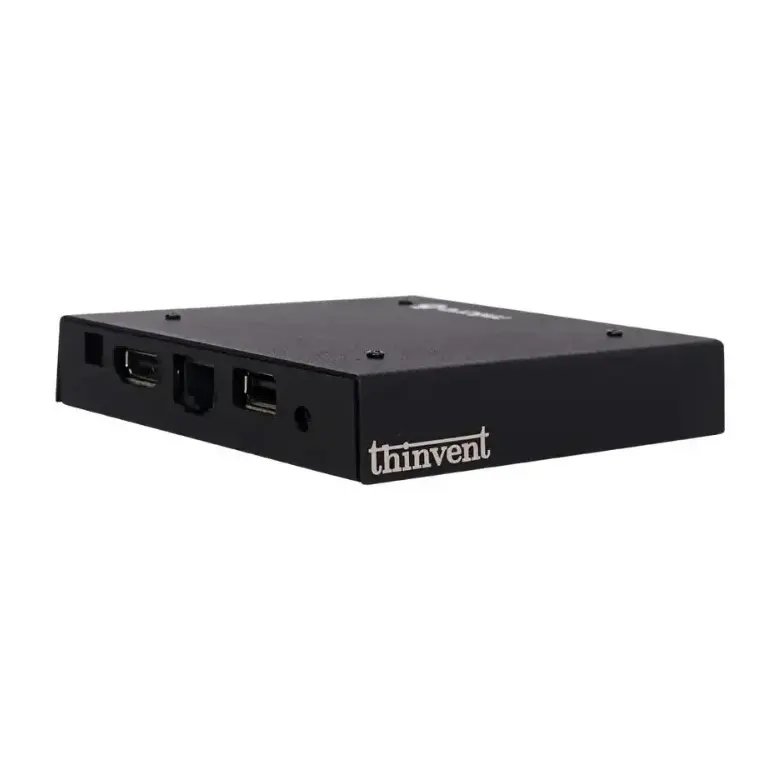
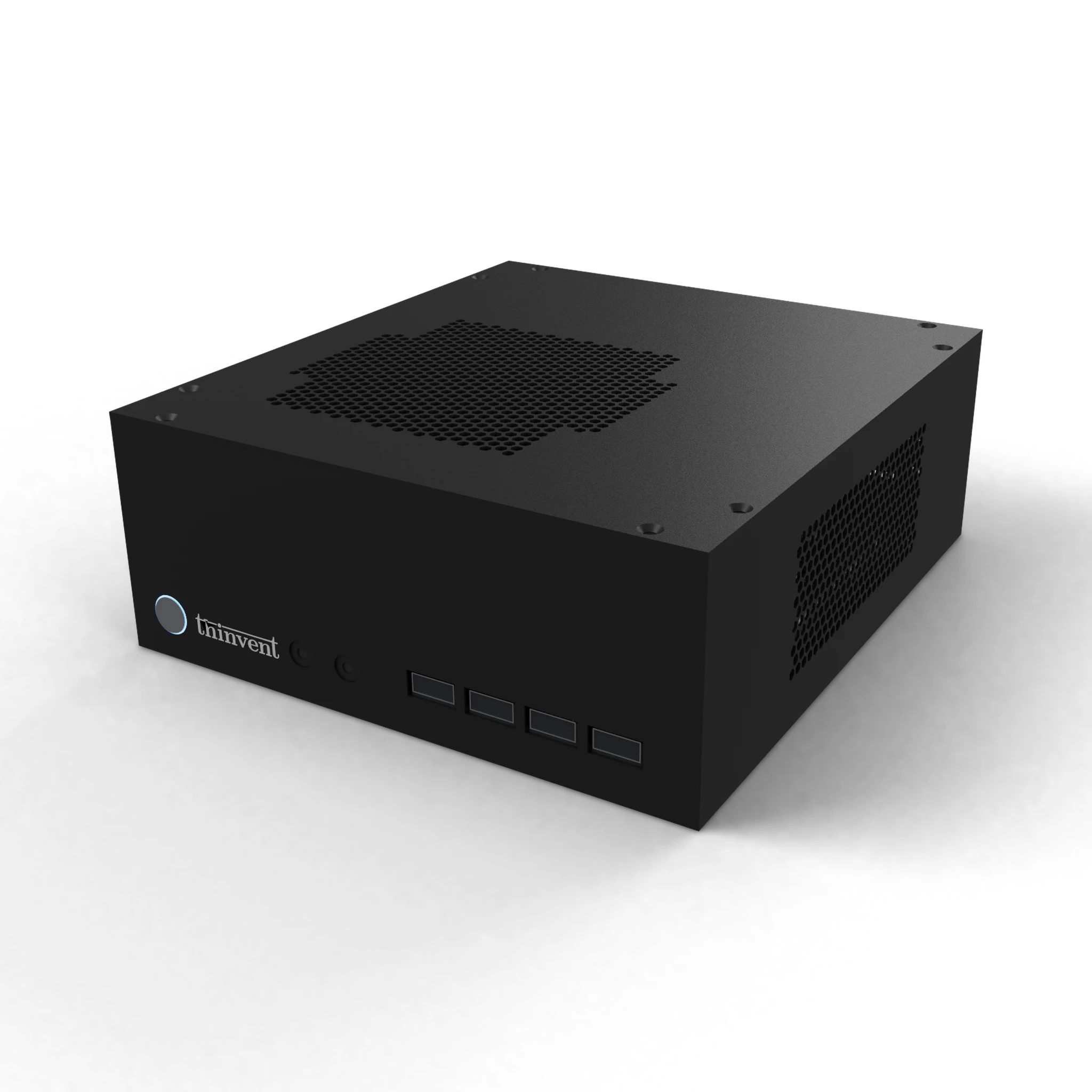
Thinvent offers a robust range of compact embedded computers designed for reliability and seamless integration. Our Aero series, for example, exemplifies this category with its ultra-compact, fanless design powered by efficient Intel processors. These systems are pre-configured with industrial-grade components, support a wide array of operating systems including Windows IoT, Linux distributions, and FreeDOS, and come with flexible connectivity options. Built for durability and long-term deployment, Thinvent's embedded computers provide a stable and powerful computing core for a vast spectrum of industrial and commercial applications worldwide.