What Makes a PC Ideal for Studio Recording?
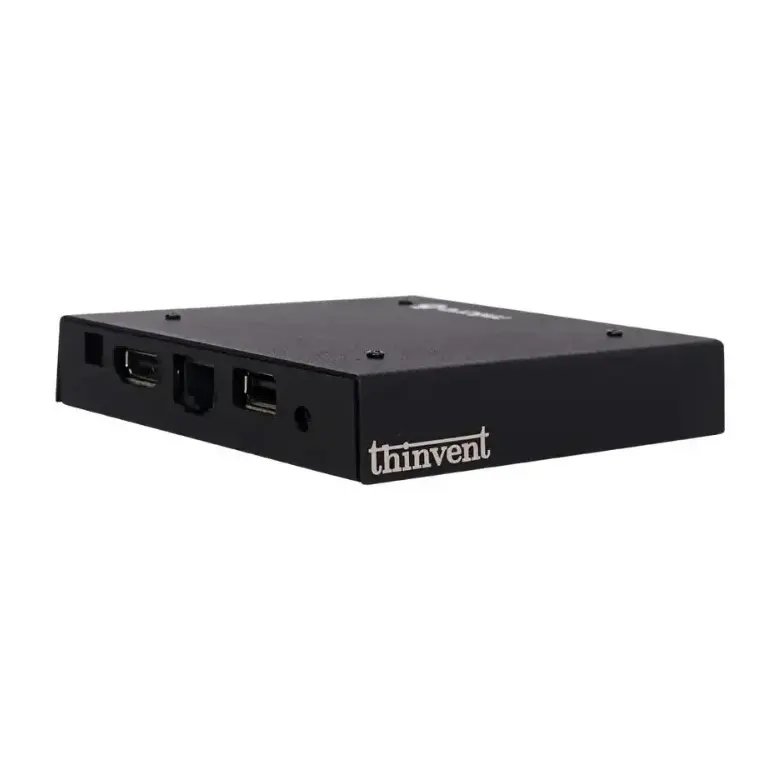
A PC for studio recording must prioritize low noise, reliable performance, and robust connectivity. The primary technical requirement is a fanless, passively cooled design to eliminate acoustic interference from cooling fans, which can be picked up by sensitive microphones. Performance needs are centered on efficient multi-core processing for handling Digital Audio Workstation (DAW) software, real-time audio effects, and virtual instruments, rather than extreme graphical power. Ample RAM and fast storage are crucial for loading large sample libraries and ensuring smooth, low-latency recording sessions.
Key Specifications for Audio Production
For a professional studio environment, focus on these core specifications:
-
Processor: Modern, efficient multi-core CPUs (e.g., Intel Core i3/i5 or equivalent) provide the necessary headroom for audio processing. Integrated graphics are sufficient.
-
Memory (RAM): 16GB is a recommended starting point for modern DAWs and sample-based instruments. 32GB or more is ideal for large orchestral templates or complex projects.
-
Storage: A fast SSD (512GB or larger) is essential for the operating system, applications, and active project files. A secondary high-capacity HDD or SSD is recommended for sample libraries and project archives.
-
Connectivity: Multiple USB 3.2/Type-C ports are critical for connecting audio interfaces, MIDI controllers, and external storage. Stable Gigabit Ethernet is important for collaboration and plugin licensing.
-
Form Factor: Compact and fanless Mini PCs or Industrial PCs are perfect for studio racks or discreet placement, offering silent operation and durability.
Studio PC Use Cases and Applications
These specialized computers are deployed in various professional audio scenarios:
-
Home & Project Studios: Running DAWs like Ableton Live, Logic Pro, or Pro Tools for music production, podcasting, and voice-over work.
-
Post-Production Suites: Handling Foley, ADR (Automated Dialogue Replacement), and sound design for film, television, and gaming.
-
Live Sound & Broadcasting: Acting as a reliable, silent engine for live digital mixing consoles or broadcast audio processing.
-
Educational Audio Labs: Providing a consistent, low-maintenance platform for teaching audio engineering and production.
Comparison: Key Considerations for Studio PCs
| Feature | Standard Desktop | Ideal Studio PC |
|---|---|---|
| Cooling | Active (Fans) | Passive (Fanless) |
| Noise Output | Audible Fan Noise | Completely Silent |
| Form Factor | Often Bulky | Compact & Rack-mountable |
| Reliability | Varies | High (Industrial-grade components) |
| I/O Connectivity | Standard Consumer Ports | Robust USB & Ethernet for peripherals |
Thinvent Solutions for Studio Recording
Thinvent's range of industrial-grade computers is engineered to meet the demanding needs of audio professionals. Our fanless Mini PCs and compact Industrial PCs deliver the silent, reliable performance required for critical listening environments. Built with durable components for 24/7 operation, they offer the perfect combination of powerful Intel processors, configurable high-speed RAM and SSD options, and extensive connectivity—all in a rugged, noiseless chassis. Explore our configurable models to build the silent powerhouse that fits your studio's specific workflow, from compact project setups to expansive professional facilities.