What to Look for When Buying a Processor for an Industrial Computer
The query "процессор купить" (buy a processor) typically indicates a user is looking to purchase a computer system based on its central processing unit (CPU). For industrial applications, the processor is the heart of the system, determining its performance, reliability, and suitability for demanding environments. Unlike consumer PCs, industrial computers require processors that offer stable, long-term performance, often with fanless cooling for silent and maintenance-free operation in dusty or harsh conditions. Key considerations include core count, thermal design power (TDP), and support for industrial-grade components.
Key Specifications and Technical Details
When evaluating processors for industrial use, several technical specifications are critical. Core count (e.g., 4, 6, 10, or 12 cores) determines multitasking capability, while clock speed (measured in GHz) affects single-threaded performance. Modern industrial PCs often feature efficient Intel processors from series like Celeron, Core i3, i5, or the latest N-series (e.g., N95, N100, N150). These CPUs balance performance with low power consumption, enabling fanless designs. Other vital specs include supported memory (DDR4/DDR5), integrated graphics for display outputs, and connectivity options like multiple USB ports and Gigabit Ethernet.
Industrial Use Cases and Applications
The right processor enables a wide range of industrial applications. Energy-efficient quad-core CPUs like the Intel N100 are ideal for digital signage, kiosks, and thin clients where low heat output is crucial. More powerful 6-core and 12-core processors, such as Intel Core i5 models, drive demanding tasks like machine vision, automation control systems, and edge computing servers. Fanless industrial PCs with robust processors are deployed in manufacturing floors, transportation, and outdoor installations, where reliability and resistance to vibration, wide temperature ranges, and continuous operation are non-negotiable.
Comparing Processor Options for Industrial PCs
Selecting a processor involves matching performance to the application's needs. The table below compares common Intel processor families found in industrial computers:
| Processor Series | Typical Cores | Use Case Focus | Key Advantage |
|---|---|---|---|
| Intel N-series (N100, N150) | 4-8 | Basic HMI, Digital Signage, Thin Clients | Ultra-low power, fanless design, cost-effective |
| Intel Celeron (J4125) | 4 | Lightweight computing, IoT Gateways | Proven reliability, low thermal footprint |
| Intel Core i3/i5 (12th/13th/14th Gen) | 6-12 | Automation, Edge AI, Machine Vision | High performance, advanced graphics, AI acceleration |
Thinvent Industrial Computers with Advanced Processors
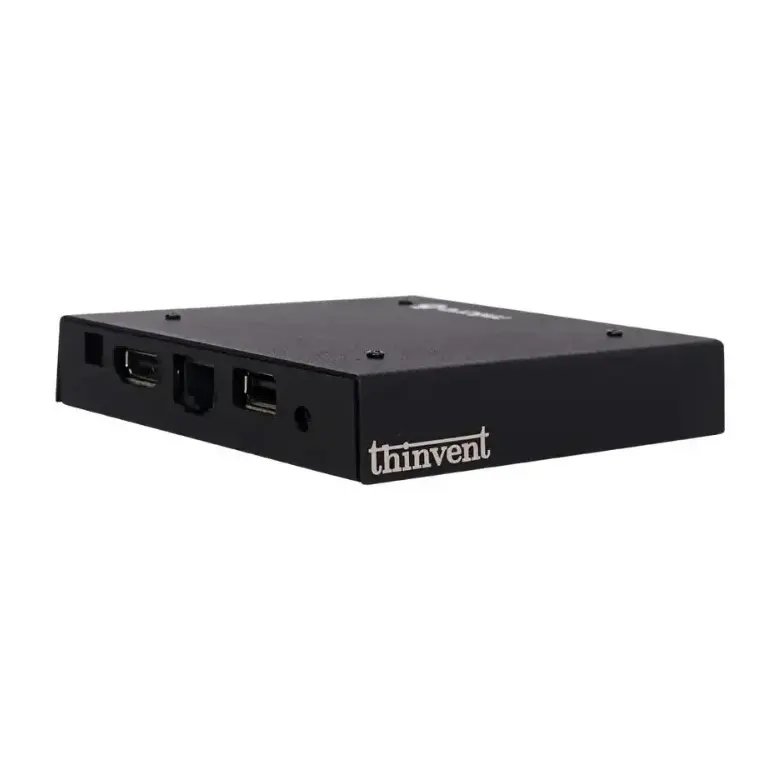
Thinvent offers a comprehensive range of industrial computing solutions powered by the latest Intel processors. Our product lines, including the Aero Mini PC series, feature efficient CPUs like the Intel N100, providing a perfect balance of performance and energy efficiency for space-constrained and harsh environments. For more demanding applications, our industrial PCs are available with powerful Intel Core i3, i5, and i7 processors from the latest generations. All Thinvent systems are designed for durability, featuring fanless cooling, wide operating temperature ranges, and robust connectivity to meet the stringent demands of global industrial deployments.