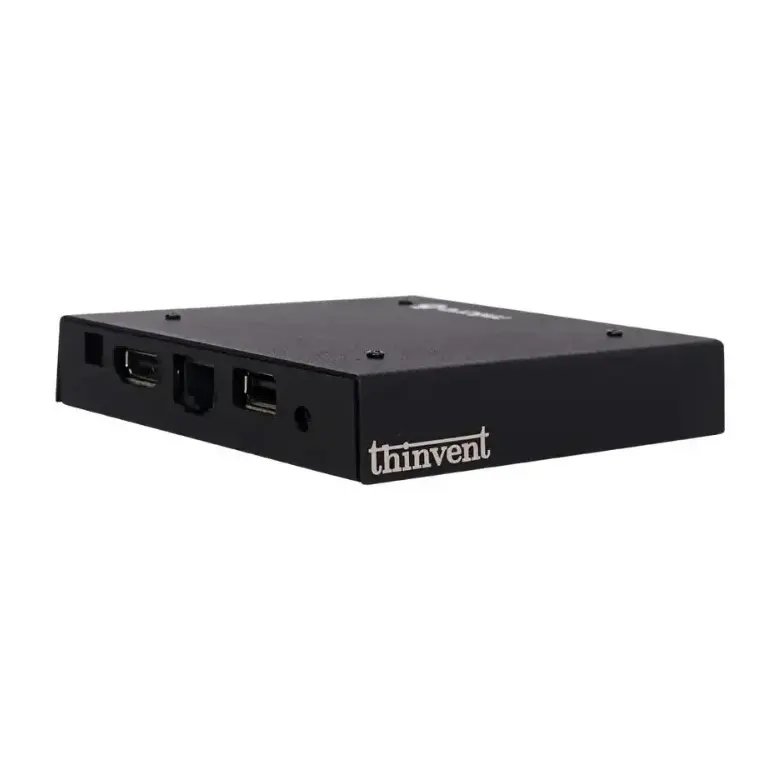
What Are Thin Clients for Remote Work?
Thin clients are streamlined, low-power computing devices designed to connect to a centralized server or cloud-based virtual desktop infrastructure (VDI). For remote work, they provide a secure, manageable, and cost-effective endpoint solution. Instead of running applications and storing data locally, a thin client merely acts as a terminal to access a remote desktop environment hosted on a server. This architecture centralizes security, software updates, and data storage, making it ideal for distributed teams and flexible work arrangements.
Key Specifications for Remote Work Thin Clients
An effective remote work thin client requires specific hardware optimized for connectivity and media processing rather than raw local compute power. Key specifications include:
-
Efficient Processors: Modern Intel processors like the N-series (e.g., Intel N100) offer excellent performance-per-watt for decoding video streams and handling network traffic.
-
Adequate Memory: 8GB to 16GB of RAM is typically sufficient for smooth operation of the client software and multiple remote sessions.
-
Minimal Local Storage: A small SSD (128GB or 256GB) is often enough for the host operating system and client software, as data is not stored locally.
-
Robust Connectivity: Dual Gigabit Ethernet ports ensure reliable, low-latency network connections, which are critical for VDI performance. Multiple USB ports are needed for peripherals.
-
Modern OS Options: Support for Windows IoT, Linux distributions, or specialized thin client OSes provides flexibility for IT management and security policies.
Use Cases and Applications
Thin clients are perfectly suited for modern remote and hybrid work models. Primary applications include:
-
Virtual Desktop Infrastructure (VDI): Employees securely access a corporate Windows or Linux desktop from anywhere.
-
Desktop as a Service (DaaS): Connecting to cloud-hosted workspaces from providers like Microsoft Azure Virtual Desktop or Amazon WorkSpaces.
-
Task Workers and Call Centers: Providing a consistent, secure interface for employees performing standardized, browser-based or SaaS application tasks.
-
Secure Access for Contractors: Offering temporary, tightly controlled access to specific corporate resources without provisioning a full laptop.
Comparison: Thin Client vs. Traditional Desktop for Remote Work
| Feature | Thin Client | Traditional Desktop/Laptop |
|---|---|---|
| Security | High. No local data storage; central policy enforcement. | Variable. Data at risk on endpoint; requires local security software. |
| Management | Centralized. OS and software updates are pushed from the server. | Decentralized. Each device must be managed individually. |
| Total Cost of Ownership | Lower over time. Reduced hardware costs, energy use, and IT overhead. | Higher. Includes hardware refresh, software licenses, and support. |
| Performance for Remote Work | Excellent for VDI/DaaS. Dependent on server and network quality. | Can be overkill. Local power is often underutilized in remote scenarios. |
| Flexibility & Scalability | High. Easy to deploy, repurpose, and scale user numbers up or down. | Lower. Hardware is tied to a user and location. |
Thinvent Thin Clients for Remote Work
Thinvent offers a range of reliable, fanless thin clients and mini PCs engineered for demanding remote work environments. Our devices, like the Aero Mini PC series, feature efficient Intel processors, robust connectivity options, and support for multiple operating systems including Windows 11 IoT, Windows 11 Pro, and Ubuntu Linux. Built for 24/7 operation with silent, solid-state cooling, Thinvent thin clients provide a durable, secure, and manageable endpoint solution that reduces IT complexity and total cost of ownership for distributed organizations.